Follow Me On Social Media!

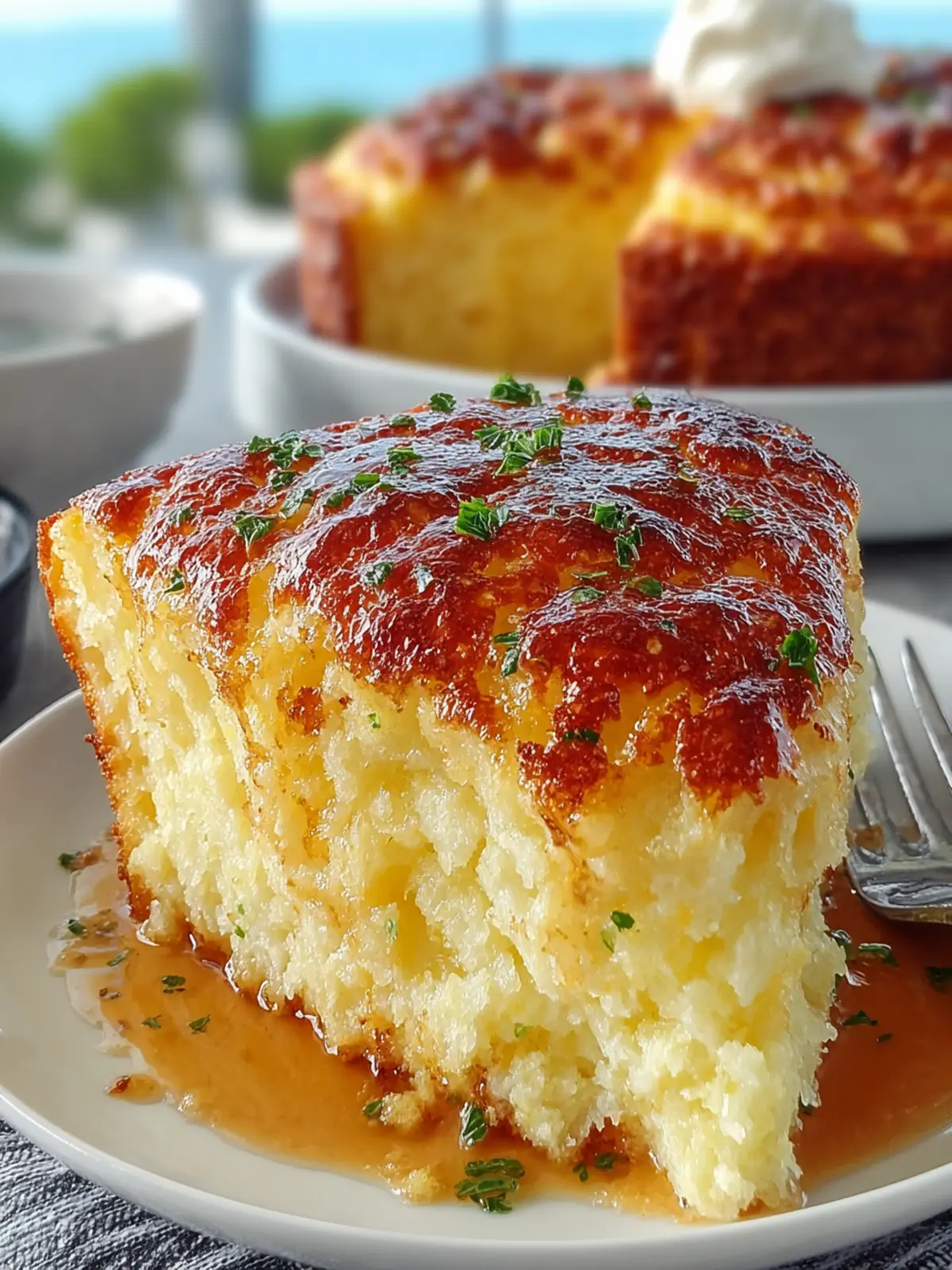
Colonial Spoon Bread: Comforting and Creamy for Cozy Nights

Introduction to Colonial Spoon Bread
Colonial Spoon Bread is not just a dish; it’s a comforting slice of history that warms the heart and delights the palate. Imagine gathering around a rustic wooden table in a quaint colonial home, where the aroma of freshly baked cornmeal goodness fills the air. This unique and soulful dish has its origins in Southern cuisine, where it was a staple at family gatherings and community feasts.
What makes Colonial Spoon Bread so special?
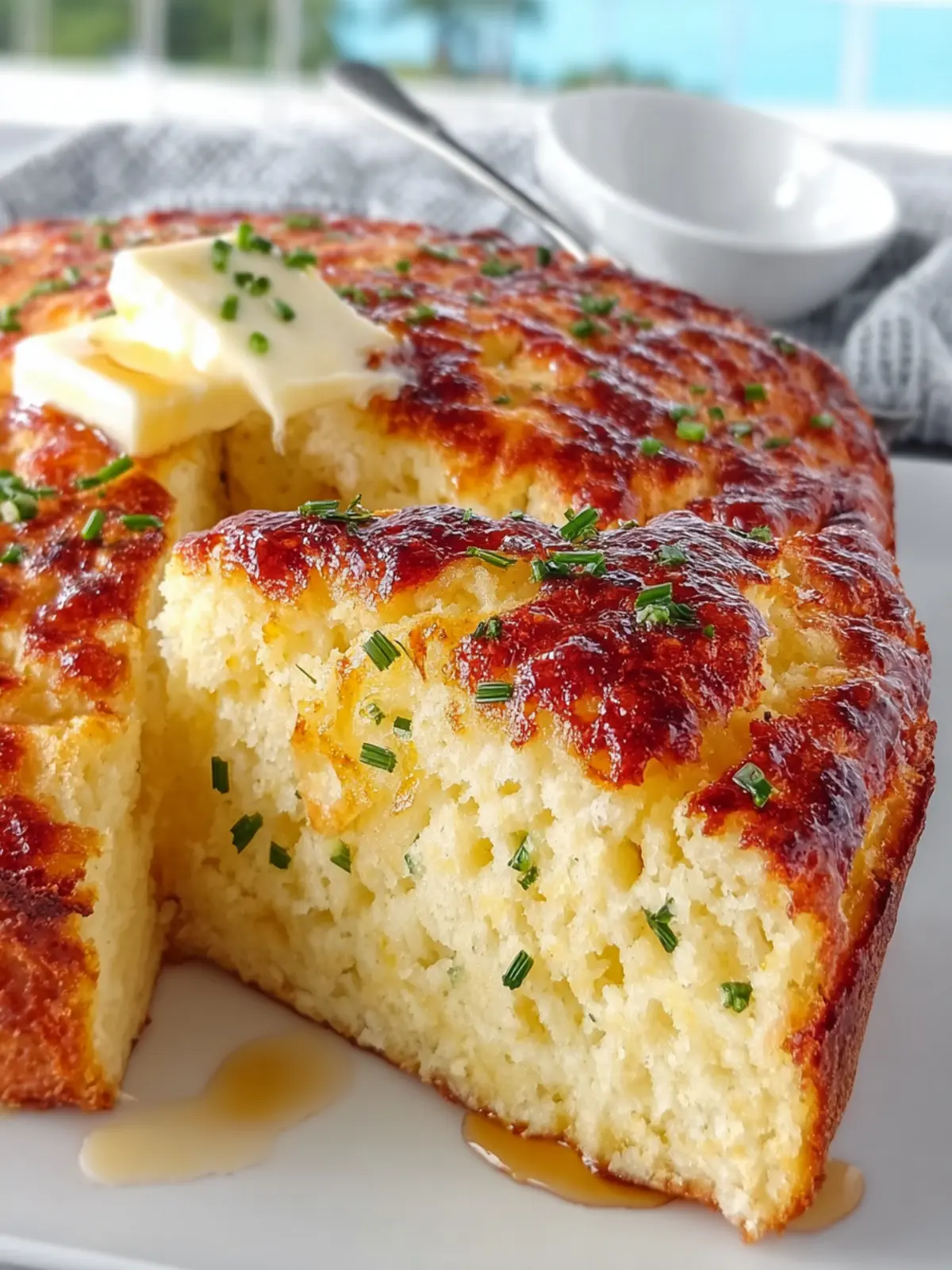
The beauty of Colonial Spoon Bread lies in its simplicity and the ability to evoke a sense of nostalgia. Made primarily from easy-to-source ingredients like cornmeal, milk, and eggs, it showcases the resourcefulness of early American cooks who transformed humble staples into a satisfying meal. The texture of spoon bread is reminiscent of a fluffy soufflé, yet it’s hearty enough to stand as a side dish or even a main course. The golden crust that forms on top contrasts beautifully with the creamy interior, making each bite an experience of both flavor and texture.
Here’s why this magical dish stands out:
-
Historical Significance: Rooted in the 18th-century South, Colonial Spoon Bread encapsulates the agricultural practices of the time, particularly the cultivation of corn.
-
Versatility: It can be paired with a variety of dishes, from savory stews to sweet fruit preserves. Think of it as the perfect canvas for your favorite toppings!
-
Simplicity at its Best: With just a few simple ingredients, it’s accessible to cooks of all skill levels. You don’t need culinary expertise to create a masterpiece that feels special.
-
Comfort Food: There’s something undeniably comforting about a warm, buttery spoonful of this bread, whether enjoyed at brunch or alongside dinner.
In today’s busy world, Colonial Spoon Bread serves not just as a meal, but as a reminder to cherish traditions, celebrate the past, and savor the goodness of homemade cooking. So let’s dive into the recipe and bring this historic dish into our modern kitchens!
Key Ingredients for Colonial Spoon Bread
Colonial Spoon Bread is a delightful dish that captures the very essence of early American dining with its rich, comforting texture. When I’m preparing to make this traditional delicacy, I pay close attention to a few key ingredients that ensure the best flavor and consistency.
-
Cornmeal: The backbone of this recipe, I recommend using finely ground cornmeal. It gives Spoon Bread that authentic texture and flavor reminiscent of colonial times. Opt for yellow cornmeal for a slightly sweeter taste.
-
Milk: Whole milk is my go-to, providing the creaminess necessary for a rich finish. You can substitute with buttermilk for a tangy twist that enhances the dish.
-
Butter: A generous amount of melted butter adds depth and richness to the mixture. It elevates the Spoon Bread to a delightful level, making it irresistibly savory.
-
Eggs: Eggs are crucial for binding and helping the Spoon Bread rise. They add fluffiness and contribute to that wonderful texture you’ll love.
-
Baking Powder: This leavening agent is essential for giving the dish its lightness. It works hard to create that beautiful rise.
-
Salt: Just a pinch enhances all the flavors, bringing everything together perfectly.
These ingredients come together beautifully to create a dish that feels both historical and warm, making each bite a comforting experience.
Why You’ll Love This Colonial Spoon Bread
There’s something undeniably comforting about Colonial Spoon Bread; it’s like a warm hug from the past. Imagine gathering around a rustic table with friends and family, sharing stories while digging into this creamy, custard-like dish that has roots deep in American history.
A Unique Texture Experience
What sets Colonial Spoon Bread apart from traditional cornbread is its wonderfully smooth texture. This dish is baked until golden brown and can be served straight from the dish, making it a perfect centerpiece for any gathering. You’ll love how it’s both light and filling, leaving everyone coming back for seconds.
Versatile and Easy to Prepare
The beauty of Colonial Spoon Bread lies in its simplicity. With just a handful of ingredients—cornmeal, milk, eggs, and butter—you can whip up a delightful side dish that pairs well with various mains, from hearty stews to roasted meats. Plus, it’s a one-dish wonder, saving you time on dishes while impressively brightening your dinner table.
A Taste of Tradition
By savoring Colonial Spoon Bread, you are embracing a slice of American heritage. This dish has been cherished for generations, making it not just a meal, but a shared experience that connects us to our culinary roots and each other. Each bite is a reminder of the warmth and hospitality that defines great cooking.
Variations of Colonial Spoon Bread
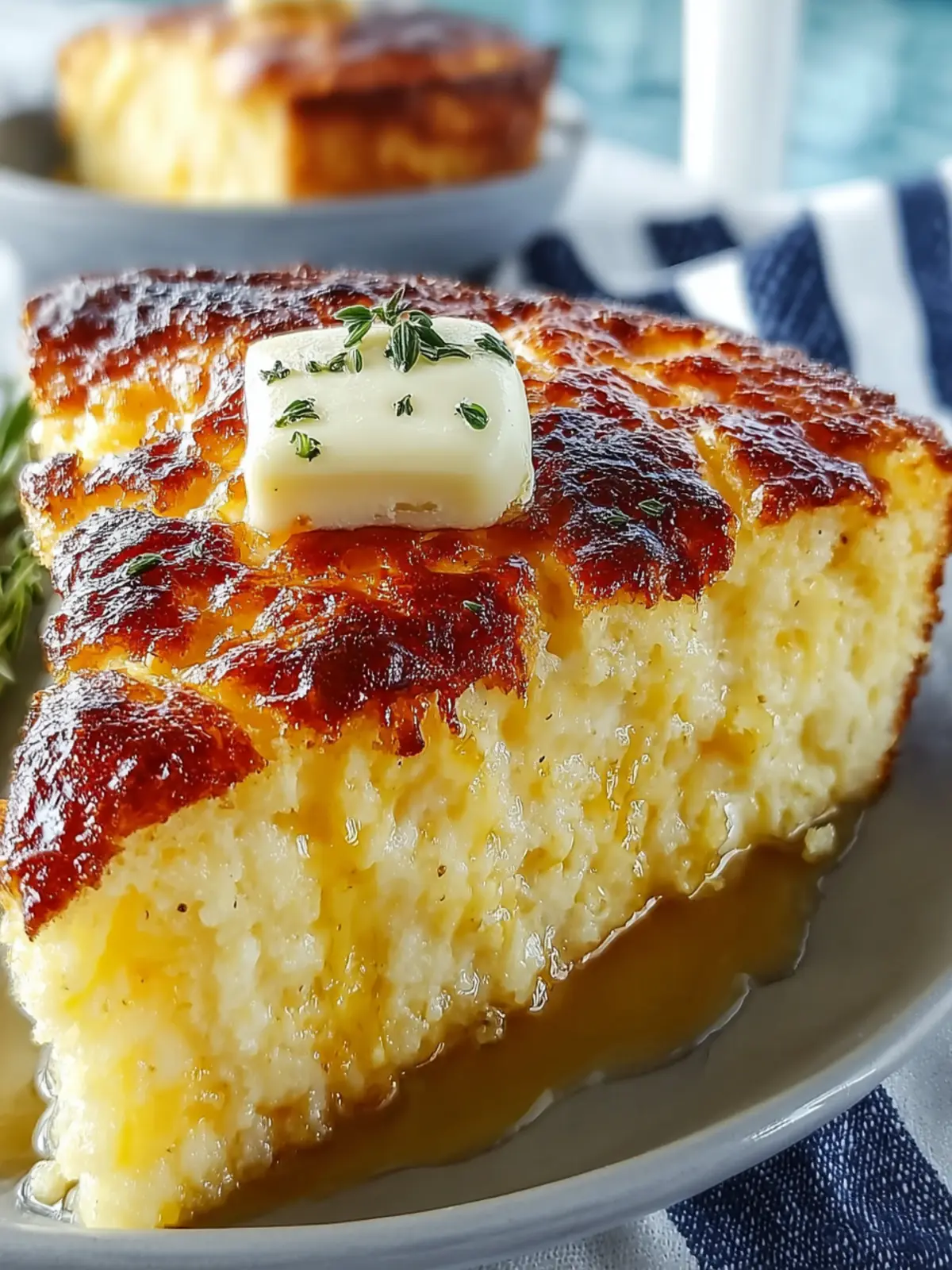
There’s something timeless about Colonial Spoon Bread, a dish that conjures up memories of cozy gatherings around rustic wooden tables. While the classic version charmed our ancestors, countless variations invite experimentation today, making this dish an enticing canvas for culinary creativity.
Savory Additions: One beloved twist involves adding cheese, such as sharp cheddar or creamy goat cheese, for a rich, savory treat. You might also consider incorporating cooked bacon or sautéed vegetables like spinach or peppers for an extra flavor punch.
Herbs and Spices: Fresh herbs can elevate your Colonial Spoon Bread to new heights. Try stirring in thyme, rosemary, or even a hint of smoked paprika for a unique depth. Each herb brings its own story, connecting you to the lush gardens where early colonists grew their produce.
Sweet Variations: On the sweeter side, consider adding fruits like fresh berries or peaches. The natural juices from the fruits help keep the bread moist while adding delightful bursts of flavor. Mixing in a bit of honey or maple syrup can also create a wonderfully sweet rendition.
Gluten-Free Options: For those avoiding gluten, simply substitute standard cornmeal with a gluten-free blend. The flavor and texture may change slightly, but the spirit of Colonial Spoon Bread remains intact.
Feel free to explore and make this dish your own! Each variation whispers a chapter from history while adding a contemporary twist.
Cooking Tips and Notes for Colonial Spoon Bread
Making Colonial Spoon Bread is more than just following a recipe; it’s about creating a delicious, comforting dish that brings a piece of history to your table. This unique Southern dish, with its fluffy texture and slightly sweet corn flavor, is perfect as a side or even a main attraction at any meal. Here are some cooking tips and notes to enhance your Colonial Spoon Bread experience:
Choose Quality Cornmeal
Using high-quality cornmeal will make all the difference in flavor. Opt for stone-ground cornmeal if you can find it—it has a more robust taste and texture compared to regular cornmeal. Remember, the fresher the cornmeal, the better the bread will be!
Don’t Overmix the Batter
When combining the wet and dry ingredients, it’s crucial not to overmix. A few lumps are perfectly fine; overmixing can lead to a denser texture instead of the light and airy result you’re aiming for.
Serve Fresh and Hot
Colonial Spoon Bread is at its best when served immediately from the oven. The texture changes as it cools, so enjoy it hot for that perfect creamy consistency. You can serve it with butter, honey, or even savory dishes.
Experiment with Add-Ins
Feel free to get creative! You can add cheese, herbs, or even jalapeños for a flavorful twist. Just remember to keep an eye on your baking time, as extra ingredients might require slight adjustments.
Storage and Reheating Tips
If you have leftovers, store them in an airtight container for up to two days. To reheat, pop it in the oven for a few minutes. This will help regain the fluffy texture you loved in the first place. Enjoy the journey of cooking and savor each bite of your Colonial Spoon Bread!
Serving Suggestions for Colonial Spoon Bread
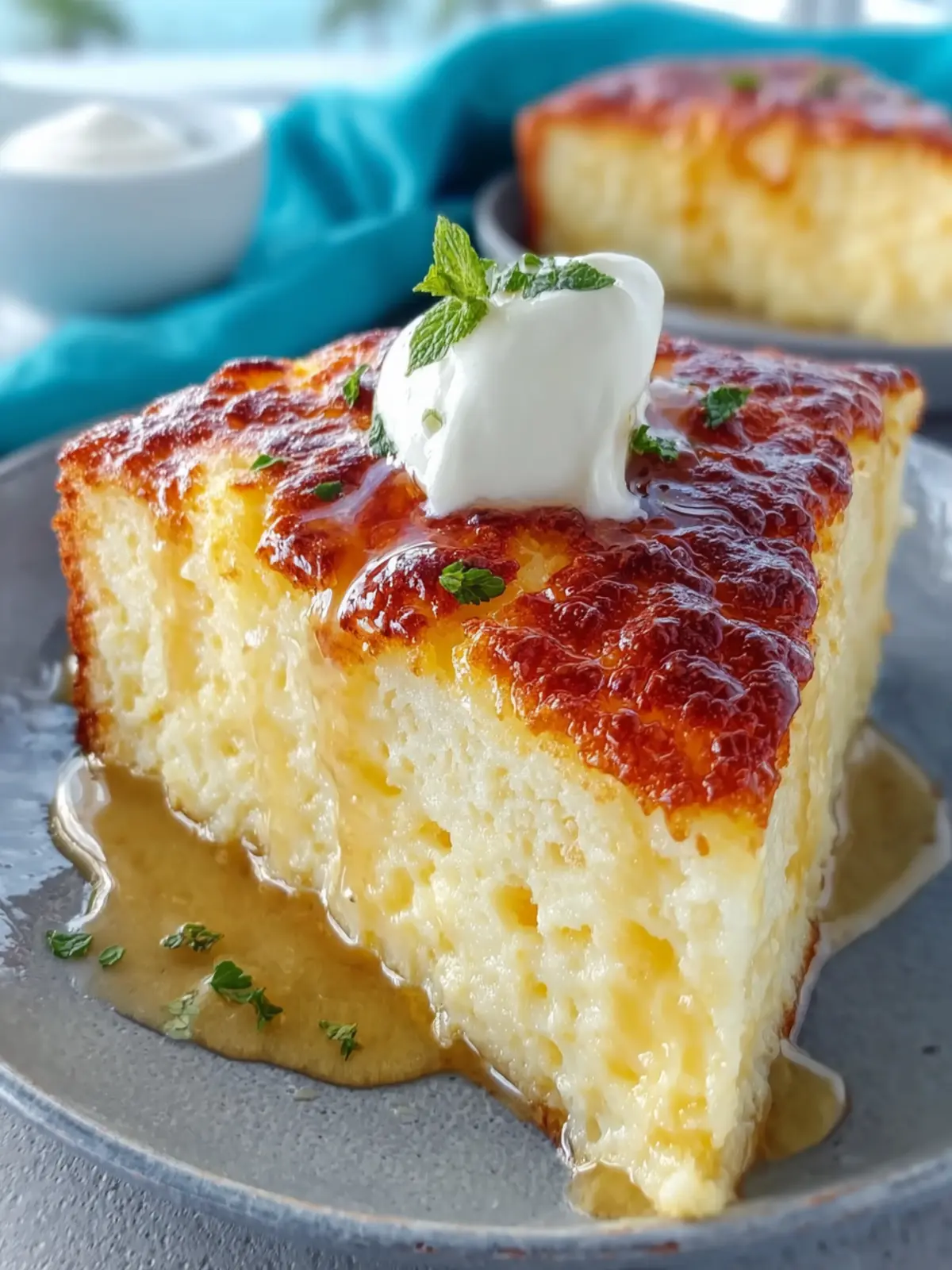
With its unique texture and delightful flavor, Colonial Spoon Bread can elevate any meal to a delightful experience. Picture this: a cozy family gathering with friends around the table, everyone eager to dig into this warm, comforting dish. How can you make it even better?
Complementary Dishes
-
Slow-Cooked Meats: Pair your spoon bread with savory slow-cooked meats like pulled pork or beef brisket. The creamy texture of the spoon bread complements the richness of the meats beautifully.
-
Vegetable Sides: Serve alongside roasted vegetables or a fresh garden salad for a burst of color and flavor. The crunchiness of veggies balances the soft, custardy spoon bread perfectly.
Ideal Toppings
-
Cheese: Don’t hesitate to sprinkle a bit of shredded cheddar or crumbled feta on top of your spoon bread before serving. It melts into the warm bread, adding a delicious savory note.
-
Herbs: Fresh herbs like chives or parsley make a stunning garnish. They add freshness and a pop of color, enhancing the rustic charm of the dish.
Breakfast Delight
Consider enjoying Colonial Spoon Bread as a breakfast item! Top it with a drizzle of honey or maple syrup, and serve it with fresh fruit for a delightful start to the day. Imagine a lazy Sunday morning with this sweet and comforting dish on your table!
Time Breakdown for Colonial Spoon Bread
Creating a delightful Colonial Spoon Bread is a journey that combines history and flavor, taking you from preparation to serving in a matter of minutes. Let’s dive into the timeline so you can plan this meal seamlessly!
Preparation Time
The preparation stage for your Colonial Spoon Bread takes about 20 minutes. This includes gathering your ingredients, mixing the cornmeal with milk and eggs, and preparing your baking dish.
Cooking Time
Once prepared, the cooking time is approximately 30 minutes. During this time, the bread will rise and develop a lovely golden crust in the oven.
Total Time
In total, you’re looking at about 50 minutes from start to finish. That means in less than an hour, you can serve up this delicious, historical dish that’s sure to impress your guests and satisfy your taste buds!
Nutritional Facts for Colonial Spoon Bread
When you dive into the world of Colonial Spoon Bread, not only do you get a taste of history, but you also fuel your body with essential nutrients.
Calories
This delightful dish contains approximately 180 calories per serving. Ideal for a side dish or a comforting breakfast.
Protein
Packed with about 6 grams of protein, Colonial Spoon Bread offers a satisfying way to meet your daily protein needs while enjoying a hearty meal.
Sodium
With only around 350 milligrams of sodium per serving, it’s a relatively low-sodium option, making it a smart choice for anyone watching their intake.
Embrace the warmth and nourishment that Colonial Spoon Bread provides, blending tradition with wholesome ingredients!
FAQs About Colonial Spoon Bread
Can I make Colonial Spoon Bread in advance?
Absolutely! One of the best features of Colonial Spoon Bread is its flexibility. You can prepare the batter ahead of time and store it in the refrigerator for up to 24 hours. Just remember to give it a quick stir before pouring it into your baking dish. If you prefer to bake it in advance, you can do so and then reheat it in the oven before serving—just be careful not to overbake, as it can lose that delightful texture.
What are some popular toppings for Spoon Bread?
When it comes to enjoying Colonial Spoon Bread, you have a world of possibilities for toppings! Here are a few crowd-pleasers:
- Cheese: A sprinkle of cheddar or crumbled feta adds a savory twist.
- Herbs: Fresh chives or parsley can brighten up the dish.
- Sweet Options: Drizzle with honey or maple syrup for a sweet contrast.
- Sautéed Vegetables: For a hearty meal, top with sautéed mushrooms, spinach, or roasted peppers.
- Cream: A dollop of sour cream or Greek yogurt offers a creamy finish.
Is there a gluten-free option for Colonial Spoon Bread?
Definitely! While traditional Colonial Spoon Bread is made with cornmeal, you can easily create a gluten-free version by ensuring you use certified gluten-free cornmeal. Just substitute the regular cornmeal in your recipe with this option, and you’ll still enjoy that lovely, moist texture that makes spoon bread so irresistible. It’s a comforting dish that can cater to your dietary preferences with just a few simple modifications!
Conclusion on Colonial Spoon Bread
Crafting the perfect Colonial Spoon Bread is more than just a recipe—it’s a nostalgic experience that connects us with culinary traditions from the past. This delightful dish, with its creamy texture and subtle corn flavor, delivers warmth to any meal.
As you savor each bite, consider how this dish reflects the resourcefulness of early Americans who made satisfying meals from simple ingredients. Whether served alongside savory meats or enjoyed as a comforting standalone dish, Colonial Spoon Bread is not just food; it’s a taste of history that fosters connection. Embrace the joy of preparing this classic recipe, and share it with your friends and family.
Print
Cornmeal Bake
- Total Time: 50 minutes
- Yield: 4 servings 1x
- Diet: Vegetarian
Description
This cornmeal bake is a comforting dish perfect for any occasion.
Ingredients
Scale
- 1 cup cornmeal
- 2 cups milk
- 2 tablespoons butter
- 2 large eggs
- 1/2 teaspoon salt
Instructions
- In a saucepan, heat milk over medium heat until it begins to simmer.
- Gradually whisk in the cornmeal, stirring constantly to avoid lumps.
- Continue stirring and cooking until the mixture thickens, about 5–7 minutes.
- Remove from heat and stir in butter and salt until well blended.
- Let the mixture cool slightly. Beat in eggs one at a time until fully incorporated.
- Pour the mixture into a greased baking dish.
- Bake at 375°F (190°C) for 35–40 minutes or until golden and set in the center.
- Serve warm straight from the dish.
Notes
- For a different flavor, consider adding cheese or herbs.
- This dish pairs well with a side salad.
- Prep Time: 10 minutes
- Cook Time: 40 minutes
- Category: Side Dish
- Method: Baking
- Cuisine: American
Nutrition
- Serving Size: 1 piece
- Calories: 220
- Sugar: 2g
- Sodium: 250mg
- Fat: 10g
- Saturated Fat: 6g
- Unsaturated Fat: 3g
- Trans Fat: 0g
- Carbohydrates: 28g
- Fiber: 2g
- Protein: 6g
- Cholesterol: 140mg