Follow Me On Social Media!

How to Caramelize Onions: The Best Sweet & Savory Guide

Introduction to Caramelized Onions
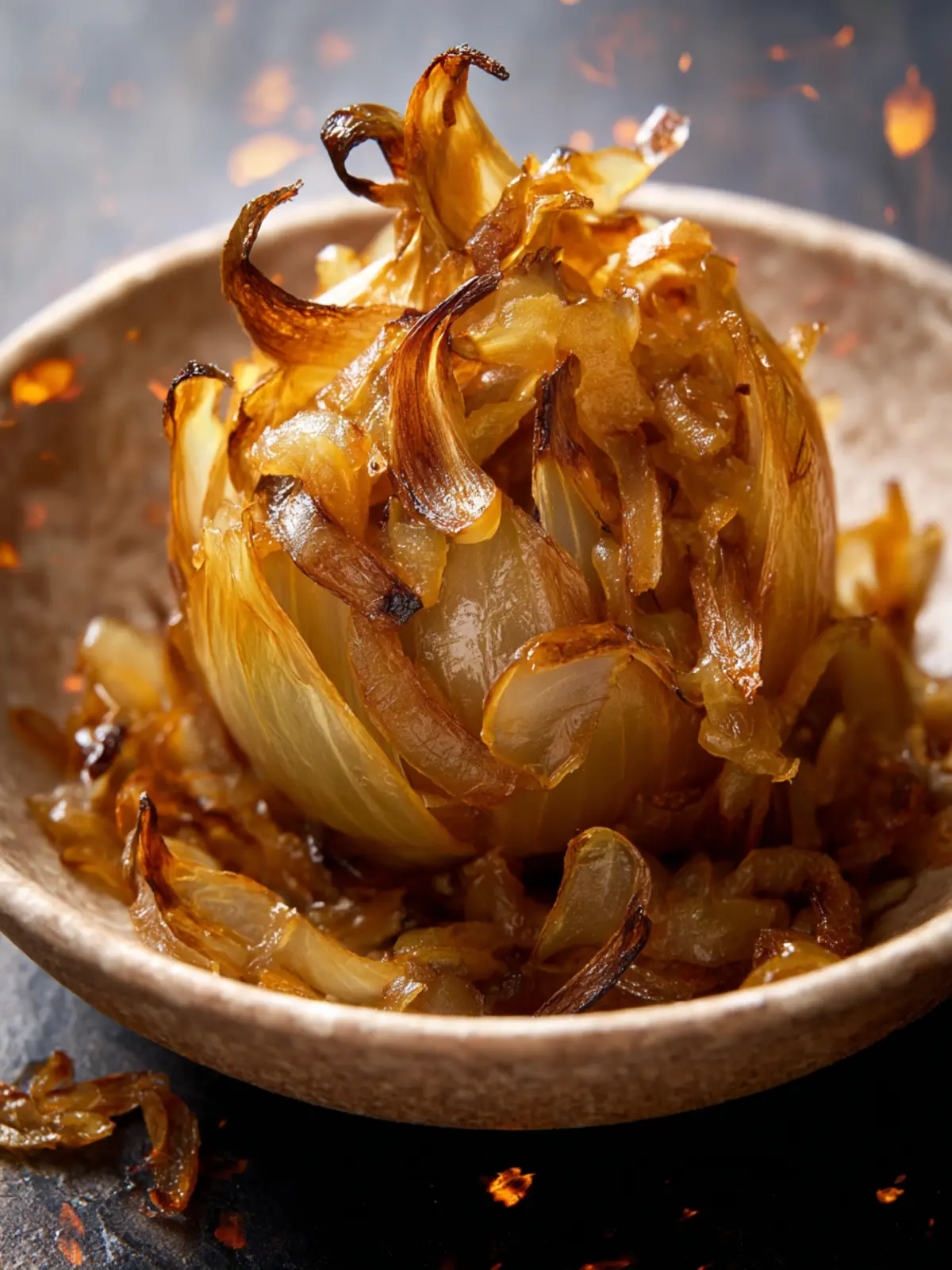
Caramelized onions are more than just a simple cooking technique; they are a magical transformation of humble onions into a sweet and savory delicacy that elevates any dish. Picture this: you’re standing in your kitchen, the aroma of onions gently sizzling in a pan, filling your home with warmth and inviting anticipation. The slow cooking unlocks their natural sugars, resulting in a luscious layer of sweetness and depth that is irresistible. Learning how to caramelize onions can open up a world of flavor in your everyday cooking.
The process may seem simple — just onions, heat, and time — but the technique is what truly makes it an essential kitchen skill. Whether you’re whipping up a gourmet burger, enhancing a classic French onion soup, or adding sophistication to your pasta, caramelized onions are a must-have. They create a harmony of flavors that go well with a variety of ingredients, making them the unsung hero of many recipes.
What Makes Caramelized Onions a Kitchen Essential?
Understanding the role of caramelized onions in cooking can transform your meals in unexpected ways. Here are just a few reasons why they deserve a special place in your kitchen:
-
Versatility: Caramelized onions can complement so many dishes, from savory to sweet. You can use them in sandwiches, pizzas, or as a topping for steak and even in muffins and tarts.
-
Flavor Development: The slow cooking process enhances the natural flavor of onions, leading to that rich, decadent taste that’s often sought after in gourmet dishes. It’s all about creating layers of flavor that will have your taste buds dancing.
-
Nutritional Benefits: Onions are packed with antioxidants and have several health benefits, including improved heart health and anti-inflammatory properties. Caramelizing them doesn’t diminish these qualities, allowing you to enjoy their goodness in a more delightful form.
-
Easy to Make: With just a few ingredients and minimal supervision, caramelized onions can be prepared in bulk and saved for later use, providing a quick flavor boost to any meal.
So, whether you’re cooking for yourself or hosting friends, knowing how to caramelize onions can elevate your culinary game and make your dishes truly memorable. Let’s dive into the recipe!
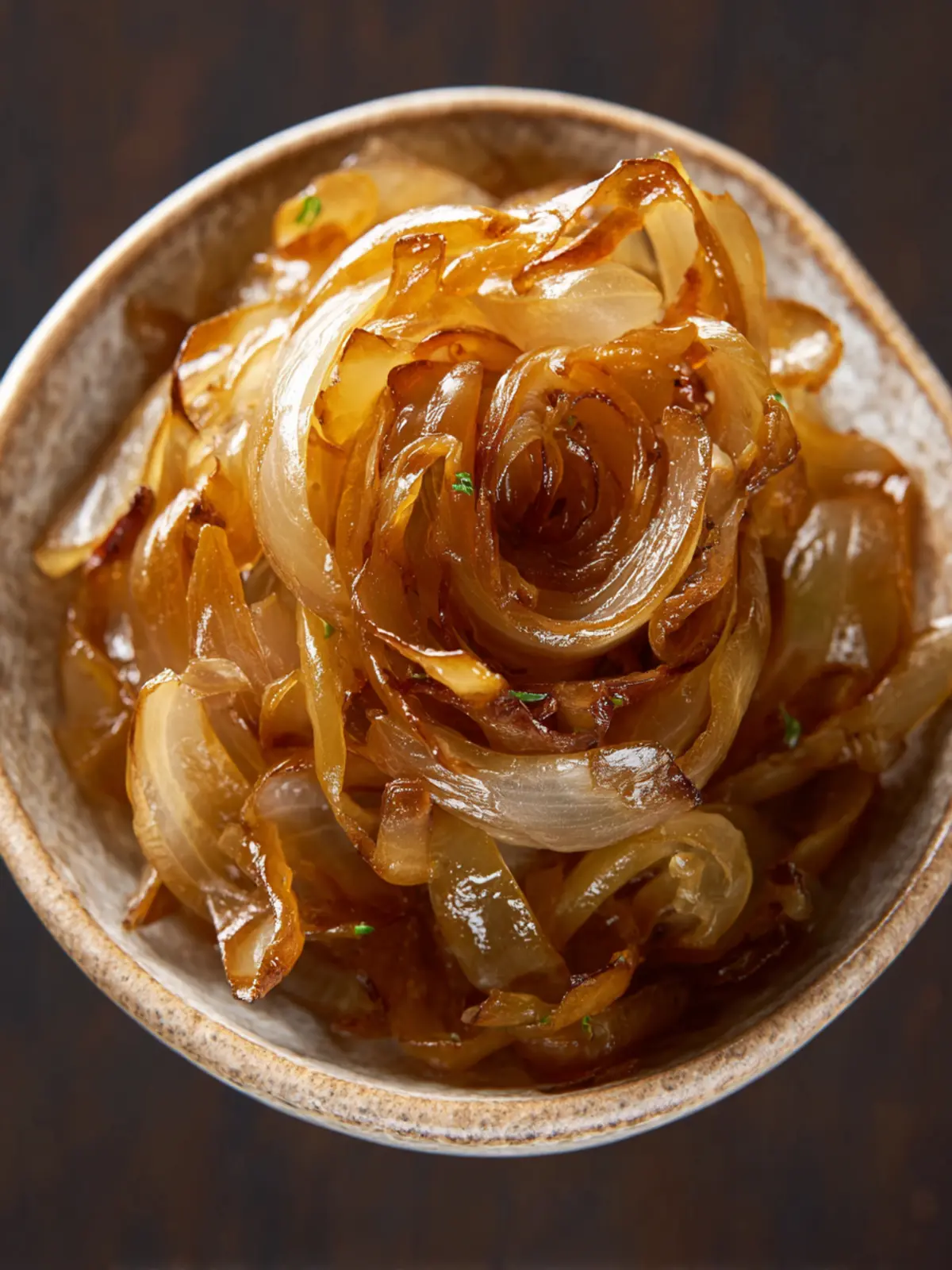
Key Ingredients for Caramelized Onions
Caramelized onions have a way of transforming ordinary meals into culinary delights. The rich flavor and golden hue they bring can brighten up everything from a simple sandwich to a gourmet tart. Let’s explore the essential ingredients that elevate this cooking technique.
-
Onions: For a deep, sweet flavor, I recommend using yellow onions. They have the perfect balance of sweetness and acidity, making them ideal for caramelization. If you’re in a pinch, white onions will do, but they’ll provide a sharper taste.
-
Butter: I use unsalted butter as my fat of choice. It not only adds richness but also helps in achieving that beautiful caramel color. Pairing butter with a touch of olive oil can enhance the overall flavor profile.
-
Salt: A sprinkle of salt is crucial—it helps draw out moisture from the onions, allowing them to cook down and sweeten beautifully.
-
Sugar: While salt does a lot of the work, adding a small pinch of sugar can amplify the natural sweetness of the onions. This isn’t always necessary, but it can enhance the caramelization process.
-
Time: While not an ingredient in the traditional sense, patience is key. Allowing the onions to cook slowly over low heat will yield the best results, turning them into a sweet, jam-like condiment.
These simple yet essential ingredients are all you need to embark on your journey of how to caramelize onions perfectly!
Why You’ll Love This Recipe
When it comes to how to caramelize onions, the transformative magic of this simple technique will have you hooked. Imagine a world where each mouthful of your dish bursts with the profound sweetness and depth that only perfectly caramelized onions can bring. This recipe isn’t just an instruction—it’s an invitation to elevate your culinary creations!
-
Unparalleled Flavor: Caramelizing onions unlocks a rich sweetness that can’t be achieved with raw onions. You’ll discover a whole new depth in your soups, salads, and sandwiches. Did you know that slowly cooking onions can amplify their flavor exponentially? It’s true!
-
Versatility: From topping burgers to enhancing risottos, the possibilities are endless. Picture a savory pasta dish or a warm, cheesy quiche adorned with these golden gems. They add complexity and a gourmet touch to almost any meal!
-
Simplicity: You don’t need expensive equipment or fancy ingredients—just a good pan and a bit of patience. Caramelizing onions is a process that teaches culinary fundamentals, so you’ll not only enjoy the result but grow your kitchen skills.
If you’re ready to explore the sweet side of onions, let’s get cooking!
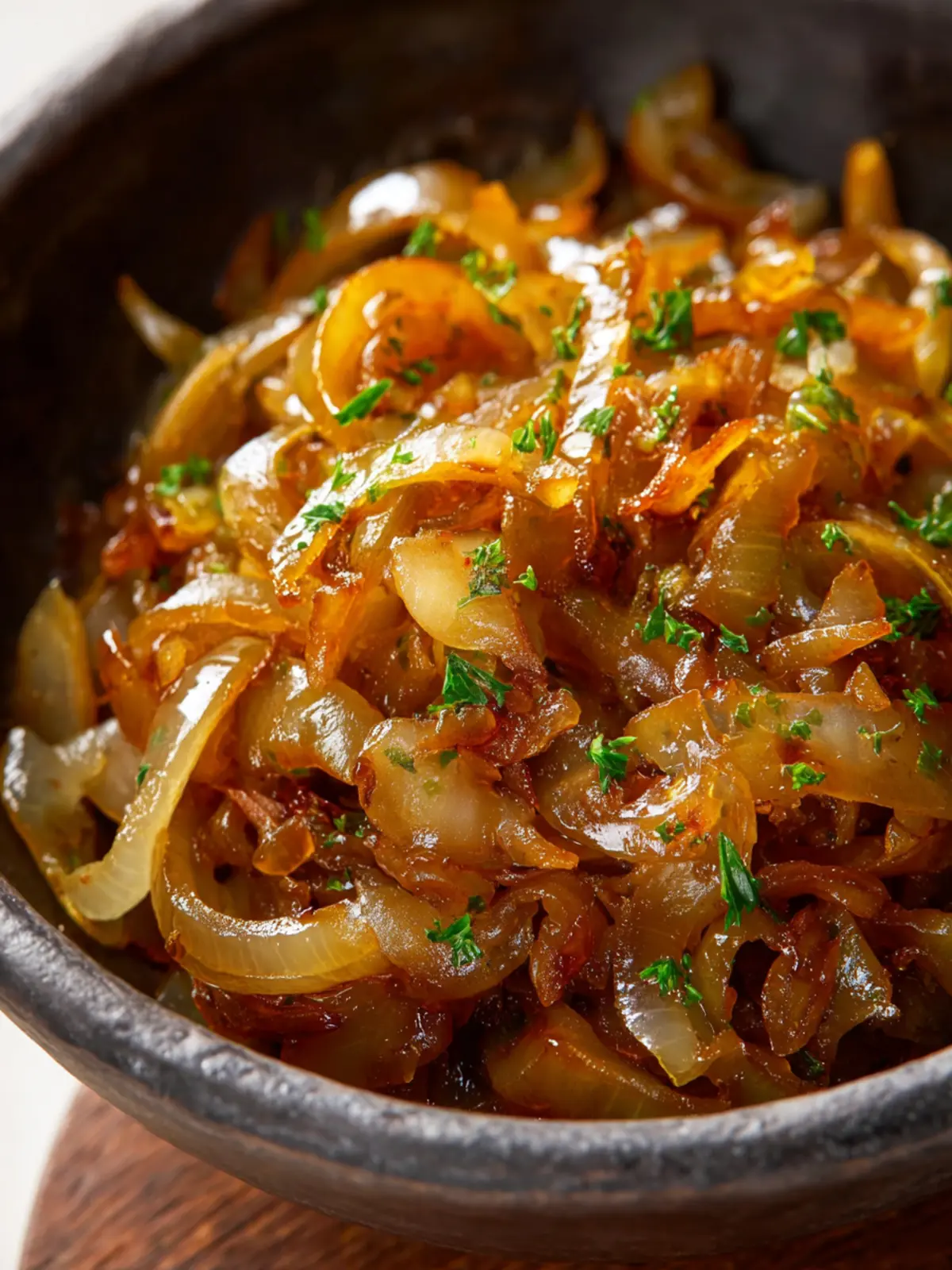
Variations on Caramelized Onions
Caramelized onions are a versatile ingredient that can elevate many dishes. While the classic method of how to caramelize onions yields rich, sweet, and savory results, there are plenty of twists you can explore. Adding unique elements can create a new flavor profile for your dishes.
-
Herbed Caramelized Onions: Fresh herbs such as thyme or rosemary can complement the natural sweetness. Stir them in during the final few minutes of cooking for an aromatic touch that brightens up the richness.
-
Balsamic Reduction: For a sweet and tangy twist, drizzle your onions with balsamic vinegar during the last stages of cooking. The vinegar will caramelize and create a glossy finish that enhances the flavor.
-
Spicy Caramelized Onions: If you enjoy a bit of heat, adding a pinch of red pepper flakes or even a splash of sriracha can create a spicy version of caramelized onions. This pair works exceptionally well on burgers or in savory pastries.
-
Wine-infused Caramelized Onions: A splash of red or white wine can provide depth and complexity. Make sure to let the alcohol cook off for a refined flavor.
Experimenting with these variations not only enhances your dishes but also gives you the freedom to express your culinary creativity. Whether it’s a simple weeknight dinner or a weekend feast with friends, caramelized onions can adapt beautifully to any occasion.
Cooking Tips and Notes
Learning how to caramelize onions transforms a simple onion into an irresistible addition to countless dishes. Like many young cooks, my early attempts were often met with frustration—too raw, too burnt, or just not as flavorful as I imagined. Here are some tips to help ensure your journey to perfect caramelized onions is smooth and rewarding.
Ingredient Selection Matters
- Onions: Use yellow onions for a natural sweet flavor. They’re versatile and caramelize beautifully. Sweet onions, like Vidalia, can also work wonders.
- Fat: While butter adds a rich flavor, olive oil or a mix of the two can also achieve great results. Don’t skimp on fat; it helps with even cooking.
Cooking Techniques for Success
- Heat Control: Start with medium heat; you can always adjust later. If it feels too slow, don’t rush it—patience is key. Low and slow is the best approach for deeper flavors.
- Stirring: Resist the urge to stir excessively. Give them time to stick and develop that glorious brown crust. About every 10 minutes is usually perfect.
Timing Is Everything
- Expect to spend 30 to 40 minutes for optimal caramelization. The longer you cook, the sweeter they become!
By keeping these tips in mind while learning how to caramelize onions, you’ll serve up a dish that enhances everything from burgers to pasta. Happy cooking!
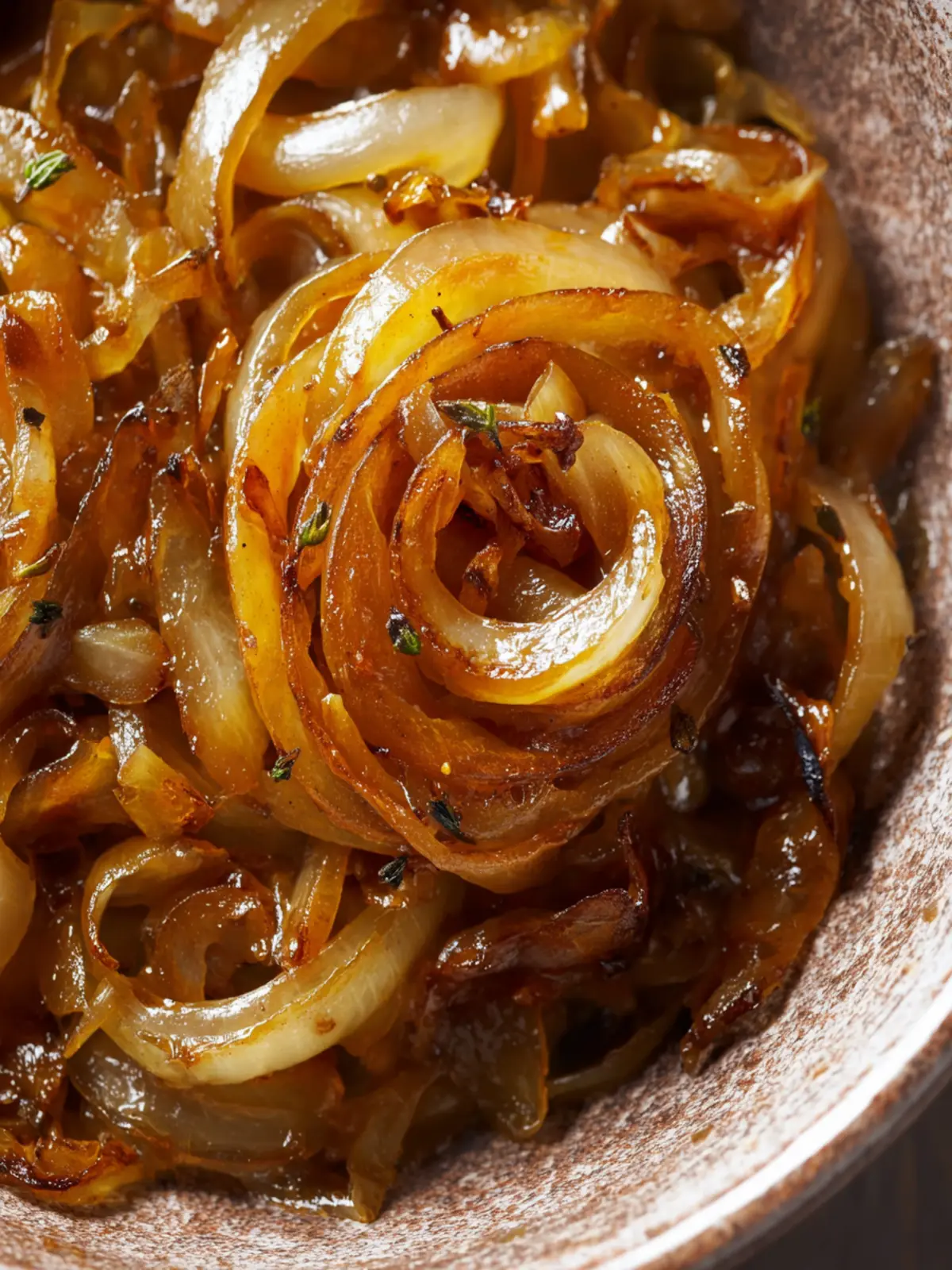
Serving Suggestions for Caramelized Onions
Caramelized onions bring a sweet, complex flavor that can elevate a dish from ordinary to extraordinary. With the right serving suggestions, how to caramelize onions turns from a simple technique into a culinary adventure. Let’s explore how you can incorporate these heavenly bites into your meals.
Enhance Your Sandwiches
Imagine a perfectly grilled cheese sandwich or a classic burger topped with golden, caramelized onions. The sweetness balances rich, savory flavors and adds depth you didn’t know you needed. Simply pile them on right before serving for a gourmet touch.
Elevate Your Pasta Dishes
Tossing caramelized onions into pasta can transform an everyday meal into something special. They pair wonderfully with cheese sauces, adding layers of flavor without overwhelming the dish. Consider mixing them into a creamy fettuccine or a simple spaghetti aglio e olio to make it memorable.
Perfect for Topping Pizza
Caramelized onions can be a star player on your pizza. Spread a layer of marinara, top with mozzarella, and add a generous helping of caramelized onions. Bake until bubbly for a delightful twist on classic toppings.
Pair with Roasted Vegetables
When serving roasted vegetables, sprinkle some caramelized onions to enhance sweetness and flavor. They can make even the simplest sides seem gourmet and sophisticated.
In these delightful servings, caramelized onions showcase their versatility, enhancing meals and inviting creativity in the kitchen.
Time Breakdown for Caramelizing Onions
Caramelized onions transform any dish, creating a deep, rich flavor that elevates everything from savory tarts to burgers. Understanding the timeline for how to caramelize onions not only sets your expectations but also helps you plan your meal prep effectively.
Preparation Time
The initial step to perfect caramelized onions involves slicing. This usually takes about 5-10 minutes, depending on your knife skills and the quantity of onions.
Cooking Time
The real magic begins during cooking, which can take anywhere from 30 to 60 minutes. You’ll want to cook the onions slowly over medium-low heat, stirring occasionally, allowing the natural sugars to develop.
Total Time
The entire process, from prep to those beautifully golden-brown onions on your plate, should take about 40 to 70 minutes. Trust this process; the results are undeniably worth the wait!
Nutritional Facts for Caramelized Onions
Caramelized onions are not just a delicious addition to many dishes—they also come packed with nutritional benefits that can enhance your meals in more ways than one! Here’s a quick look at what you get:
Calories
A serving of caramelized onions contains approximately 60 calories. These calories primarily come from the natural sugars released during the caramelization process, which not only enhance the flavor but also provide you with a small energy boost.
Protein
While they aren’t a protein powerhouse, caramelized onions offer around 1 gram of protein per serving. This protein content complements the other ingredients you might be pairing with them, rounding out a well-balanced meal.
Sodium
With only about 5 milligrams of sodium in a serving, caramelized onions are a great low-sodium addition to your cooking. This makes them perfect for anyone looking to keep their salt intake in check while still enjoying rich flavors.
Enjoying how to caramelize onions not only adds taste to your dishes but also keeps your nutritional goals on track!
FAQs on Caramelized Onions
Understanding how to caramelize onions can elevate your cooking game, transforming your dishes with that irresistible, sweet, and savory flavor. Here’s a collection of frequently asked questions that might help you along your journey to caramelized perfection.
How do I know when my onions are caramelized?
You can tell that your onions are caramelized when they turn a deep golden brown color and become incredibly soft. The sweetness released during cooking is a key indicator, and the aroma will fill your kitchen, bringing everyone to inquire what you’re making. Typically, this process takes anywhere from 30 to 45 minutes over medium to low heat. If they start to burn, turn down the heat.
Can I make caramelized onions in advance?
Absolutely! Caramelized onions can be made in advance and stored in the fridge for up to a week. Once cooled, simply transfer them to an airtight container. You can even freeze them in portions for future use. Just thaw and reheat when you’re ready to enjoy their rich flavor in your dishes.
What dishes can utilize caramelized onions?
The versatility of caramelized onions is impressive. They can be added to:
- Burgers
- Pasta dishes
- Flatbreads or pizzas
- Soups and stews
- Toppings for steaks or chicken
Integrating them into your meals can easily elevate your culinary creations, making every bite a little more gourmet. Think about the last meal you had – a dollop of caramelized onions could have transformed it into something unforgettable!
Conclusion on Caramelized Onions
In the end, mastering caramelized onions is a delightful journey worth embarking on. The slow cooking process transforms basic onions into a rich, sweet, and savory treat that can elevate any dish. Imagine topping a homemade burger or stirring them into creamy risotto, adding depth and flavor with minimal effort. Plus, with every batch you prepare, you begin to perfect your technique, finding what works best for your palate. So grab those onions, unleash your inner chef, and enjoy experimenting with this versatile ingredient. With just a bit of patience, you’ll create a kitchen staple that’s sure to impress!
Print
Caramelized Onions
- Total Time: 25 minutes
- Yield: 4 servings 1x
- Diet: Vegetarian
Description
Deliciously sweet caramelized onions perfect for adding flavor to any dish.
Ingredients
Scale
- 1½ tbsp extra-virgin olive oil
- 2 tbsp unsalted butter
- 1 lb. yellow onions, peeled and thinly sliced
- 1 tsp fresh thyme leaves
- ¼ tsp kosher salt
- ⅛ tsp freshly ground black pepper
Instructions
- Add the oil and butter to a medium-large skillet set over medium-high heat.
- Once the butter is melted, add the onion, thyme, salt, and black pepper.
- Cook until the onions start to turn brown in spots, about 5 minutes, stirring frequently.
- Turn the heat down to low, cover the skillet, and cook 15 minutes more, stirring occasionally. Add a splash of water as necessary if the onions start to stick to the pan or if the pan starts to get too dark.
Notes
- Ensure the onions are sliced uniformly for even cooking.
- Stir occasionally to prevent burning.
- Can be stored in the refrigerator for up to 5 days.
- Prep Time: 5 minutes
- Cook Time: 20 minutes
- Category: Side Dish
- Method: Stovetop
- Cuisine: American
Nutrition
- Serving Size: 1/4 cup
- Calories: 120
- Sugar: 5g
- Sodium: 220mg
- Fat: 10g
- Saturated Fat: 5g
- Unsaturated Fat: 4g
- Trans Fat: 0g
- Carbohydrates: 10g
- Fiber: 1g
- Protein: 1g
- Cholesterol: 15mg