
Follow Me On Social Media!

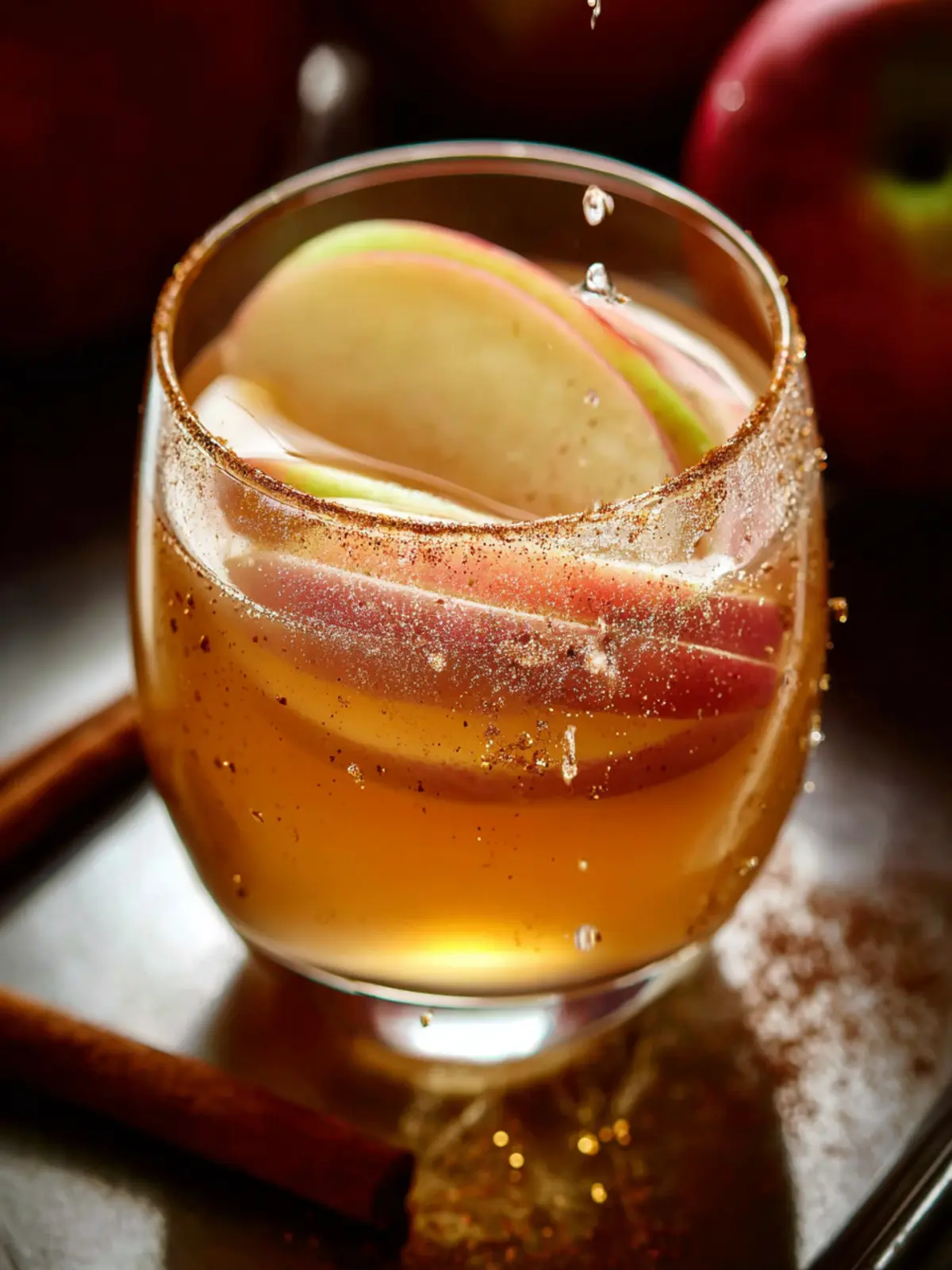
How to Make Apple Cider: The Easiest Juicy Fall Treat

Introduction to Homemade Apple Cider
Making your own homemade apple cider can feel like a transformative experience, connecting the delightful aromas of fall to your own kitchen. Imagine standing in your home, surrounded by the warm scent of spiced apples simmering on the stove, while the morning light filters through the windows. Crafting cider from fresh apples offers not just a delicious beverage but an adventure filled with memories, flavors, and the essence of autumn.
Why Making Your Own Apple Cider is a Game-Changer
Creating your version of this beloved drink does more than tantalize your tastebuds; it can enhance your well-being and enrich your cooking repertoire. Here’s why making cider at home is a game-changer:
-
Quality Control: You choose the ingredients you want. With homemade cider, you can select organic apples and control how much sugar or spices to add. This means you’re not just getting a product—you’re crafting an experience tailored to your preferences.
-
Sustainability: By using local apples, you’re reducing your carbon footprint and supporting local farmers. Purchasing in-season fruits not only enhances flavor but also helps sustain your community.
-
Health Benefits: Homemade apple cider is free from preservatives, artificial colors, and added sugar commonly found in store-bought versions. Apples are rich in vitamins A and C, as well as antioxidants, which contribute to overall good health.
-
Endless Creativity: The beauty of homemade cider lies in your ability to experiment. Once you master the basics of how to make apple cider, you can explore various flavors by adding different spices or experimenting with other fruits!
-
Nostalgia and Connection: Instead of simply opening a bottle, making cider at home creates lasting memories. Gather friends or family to share in the fun, or even teach a child the art of cider-making. These moments of connection will be cherished far longer than any store-bought drink.
In the upcoming sections, we’ll dive deep into the ingredients and detailed instructions for creating your own delicious batch of homemade apple cider. Get ready to bring the tastes and aromas of fall right into your kitchen.
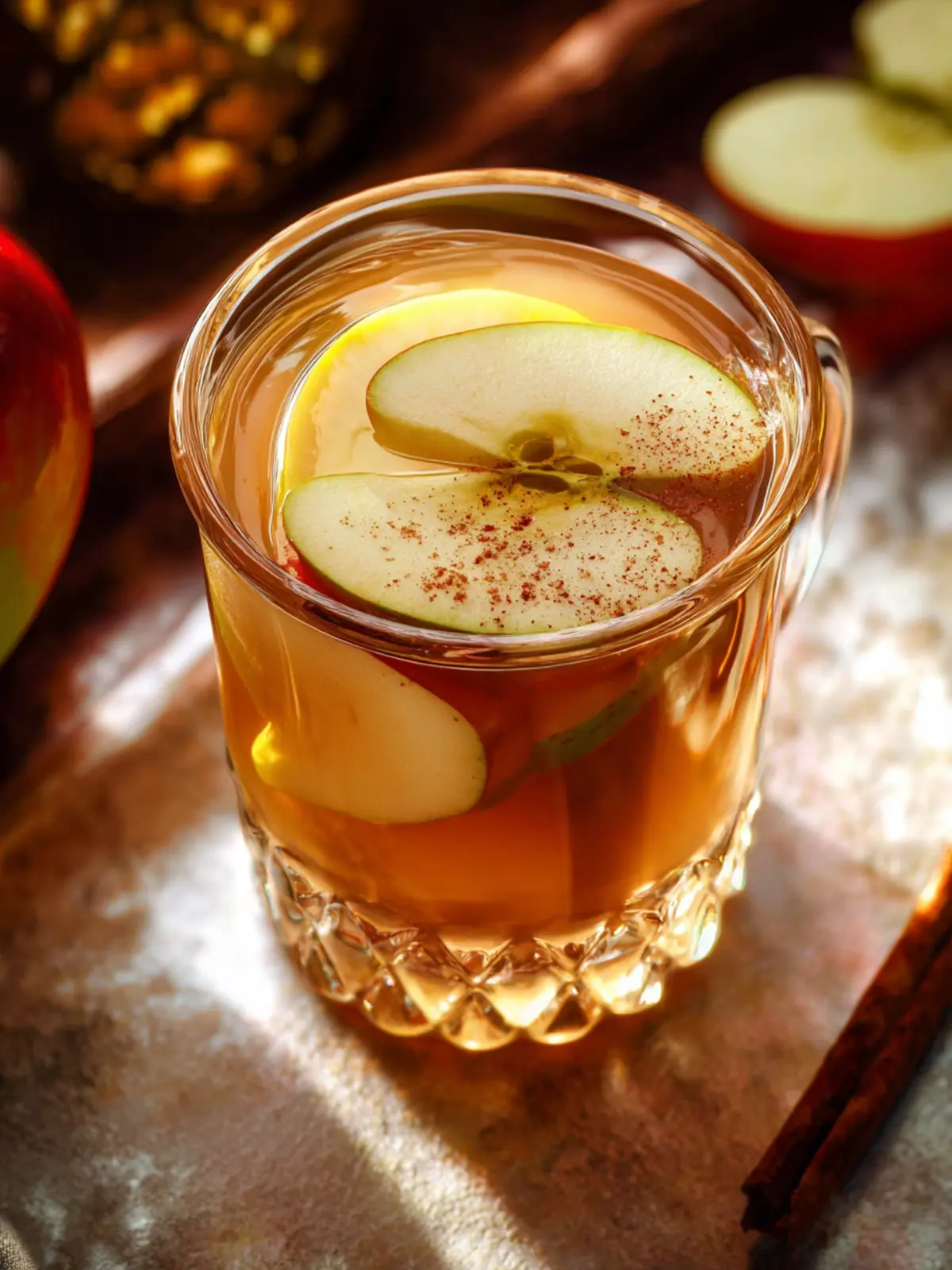
Key Ingredients for Homemade Apple Cider
Making homemade apple cider is all about crafting a delightful blend of flavors. The right ingredients will elevate your cider from simple to sensational.
Apples: Using a mix of apple varieties is essential for achieving that perfect balance of sweetness and tartness. I love combining Granny Smith for a crisp tartness, Fuji for sweetness, and Honeycrisp for a juicy bite. If you can get your hands on some local apples, even better!
Oranges: Ripe oranges are a secret weapon in my cider recipe. They add a refreshing citrus twist that brightens the overall flavor. Don’t forget to peel them! Leaving the zest on can introduce bitterness that might overshadow the other flavors.
Cinnamon and Cloves: A few warm spices go a long way in creating cozy memories. I add whole cinnamon sticks and cloves to capture those beloved fall vibes.
Ginger: A small piece of fresh ginger adds a zesty kick that transforms the cider. It enhances the flavor profile without overpowering the sweetness of the apples.
Maple Syrup or Brown Sugar: A touch of sweetness pulls everything together. I often use maple syrup for its rich, earthy flavor, but brown sugar works wonderfully too.
With these key ingredients, you’re on your way to mastering how to make apple cider that will warm hearts and homes!
Why You’ll Love This Homemade Apple Cider
Homemade apple cider is not just a drink; it’s a cherished ritual that encapsulates the essence of fall. Picture yourself savoring a warm cup of this fragrant elixir, the tantalizing aroma of cinnamon and nutmeg swirling around you, ready to please your senses. With this delightful homemade apple cider recipe, you’ll discover flavors that simply can’t be matched by store-bought versions.
The simplicity of the recipe
One of the best parts of learning how to make apple cider is its simplicity. This recipe requires just a handful of ingredients and steps, making it accessible for even the busiest of lives. You’ll love how easy it is to whip up a batch in your kitchen with just apples, spices, and water. No fancy gadgets or complex techniques needed—just straightforward goodness that will transport you to orchards brimming with fresh fruit.
Customization options for personal preferences
Why settle for a single flavor profile when you can personalize your cider in countless ways? Whether you prefer it spiced up with extra cinnamon or sweetened naturally with a hint of honey, the customization options are endless. Feel free to experiment and make this cider your own, tailoring it to the preferences of your friends and family. You might even find your signature twist!
Perfect for gatherings and celebrations
Nothing warms the heart quite like serving this homemade treat at gatherings or cozy nights in. Picture a festive table adorned with mugs of steaming cider, inviting everyone to partake in its comforting warmth. Whether it’s a holiday party or just a casual get-together, this cider brings people together, sparking conversations and creating delightful memories. So grab your apples, and let’s toast to good company and great flavor!
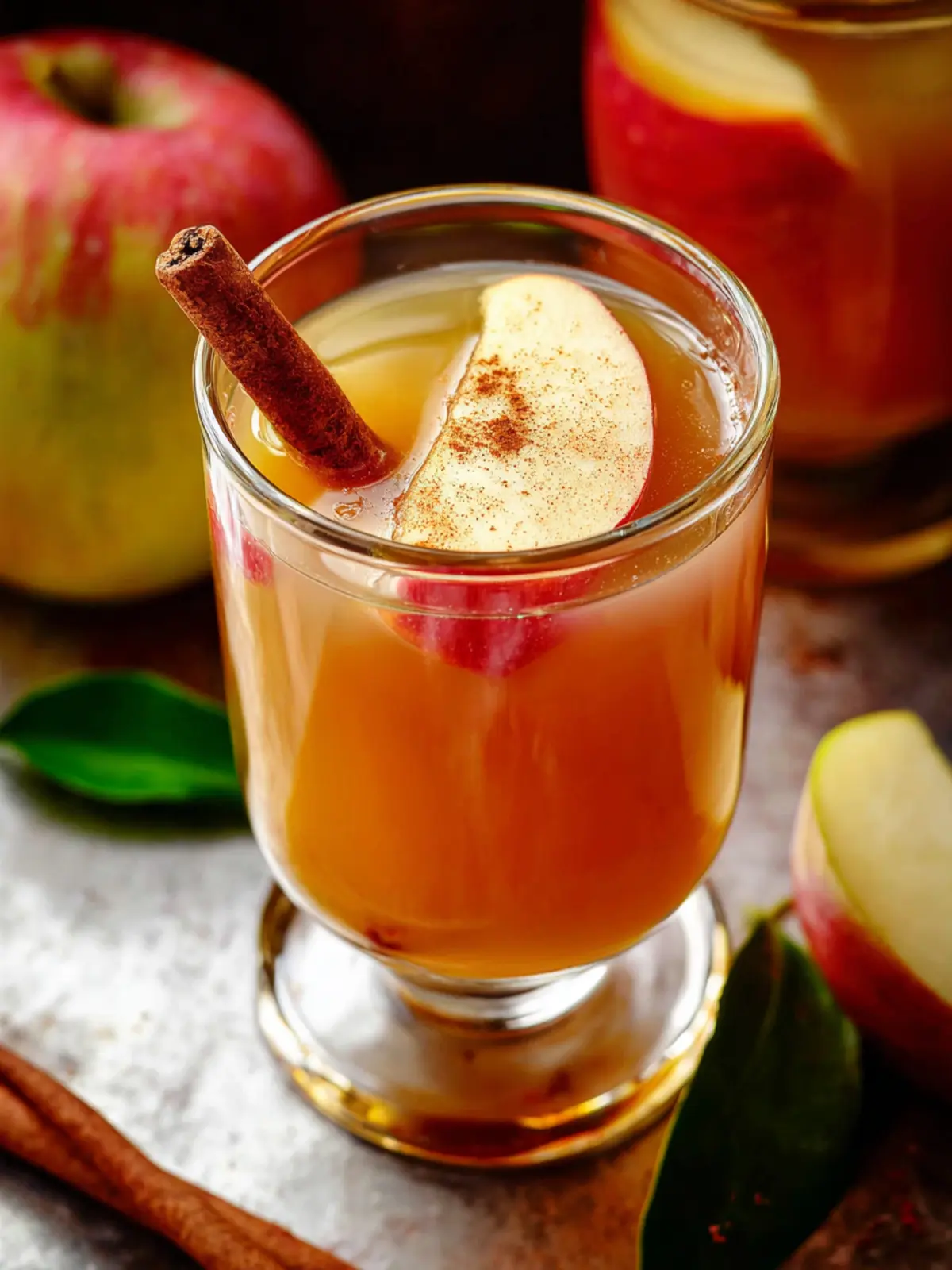
Tips for Making Perfect Apple Cider
Creating your own apple cider is a delightful experience that captures the essence of autumn with every sip. The joy of crafting this refreshing beverage starts with understanding how to make apple cider, ensuring a perfect balance of flavors and techniques in the process.
Choosing the Right Apple Mix
The foundation of any great cider lies in the apple blend you choose. Opt for various apple types for a complex flavor profile. Combining sweet apples like Honeycrisp with tart varieties like Granny Smith makes for a well-rounded cider. Aim for a mix of at least three different kinds to highlight their unique tastes and include a touch of acidity.
Importance of Simmering and Mashing the Fruits Properly
Simmering your apples is essential for extracting juices and flavors effectively. By boiling your apples with water for a couple of hours, you encourage their natural sugars to release. Mashing them afterward promotes further extraction, ensuring none of that delicious apple goodness goes to waste.
Adjusting Sweetness and Spice Levels
Crafting the ideal cider means customizing sweetness and spice to match your preference. Start with a baseline of sugar and gradually taste until you find the right sweetness. Spices like cinnamon and cloves can elevate the flavor; add them slowly, allowing the result to guide your adjustments. Remember, you can always add more, but it’s hard to take away!
Time Details for Homemade Apple Cider
Making homemade apple cider fills your kitchen with the warm, fruity aroma of autumn, creating a delightful experience that goes beyond just the end product. Let’s break down the time you’ll need to dedicate to this charming endeavor.
Preparation time
Gathering fresh apples and other ingredients typically takes about 30 minutes. This includes washing, peeling, and chopping the apples, which can be a fun activity if you invite a friend to join.
Cooking time
Once prepared, you’ll simmer your apple mixture on the stove for approximately 2 hours. This slow cooking allows the flavors to meld beautifully, resulting in a rich, flavorful cider.
Total time
In total, you’re looking at about 2.5 hours from start to finish. A little patience goes a long way, but the end result is worth every minute spent. Enjoy sipping your warm cider while reminiscing about your day’s efforts!

Nutritional Information for Homemade Apple Cider
Creating your own apple cider at home not only fills your kitchen with a delightful aroma but also guarantees a fresher option. Let’s break down the nutritional benefits of this classic beverage to see how it compares to store-bought alternatives.
Calories
A standard serving of homemade apple cider typically contains around 120 calories. This can vary based on the apples you choose and any sweeteners added, making it customizable to fit your dietary needs.
Vitamins and Minerals
Homemade cider is a rich source of vitamins and minerals. Key nutrients include:
- Vitamin C: Boosts your immune system.
- Potassium: Supports heart health.
- Antioxidants: Beneficial for reducing inflammation and promoting overall health.
Sweetness Compared to Store-Bought Cider
When you learn how to make apple cider, you control the sweetness. Homemade versions often have a more natural and nuanced flavor profile compared to many commercial options, which can be overly sweetened. You can adjust the sugar content to your taste, leading to a healthier and more balanced drink perfect for any occasion.
FAQs about Homemade Apple Cider
Creating your own homemade apple cider can be a delightful experience, brimming with the aromas of fresh apples and spices. However, as you embark on this flavorful journey, you might have some practical questions. Let’s dive into some common queries about this cherished fall beverage.
How long can I store homemade apple cider?
The beauty of homemade apple cider is its freshness. If you store it properly in an airtight container in the refrigerator, it can last up to a week. For longer storage, consider freezing it. Simply pour cider into freezer-safe containers, leaving space for expansion, and it can last for several months. Just be sure to let it thaw in the fridge before serving!
Can I use different fruits for variations?
Absolutely! While apples are the star ingredient, incorporating other fruits can elevate your homemade apple cider to new levels. Pears, berries, and even citrus fruits like oranges can add unique flavor profiles. Just remember to balance sweetness and acidity to ensure a harmonious blend.
Is it possible to make it alcoholic?
Yes! Making an alcoholic version is quite simple. You can ferment your homemade apple cider by adding yeast to the mixture. The natural sugars in the apples will convert into alcohol over a few weeks. Just keep in mind that the fermentation process requires careful monitoring to avoid over-fermentation, which could lead to an overly fizzy result.
Experimenting with your homemade apple cider can be a delicious adventure! Whether you’re sharing it with friends or savoring it alone, you’ll find there are endless possibilities to explore.
Conclusion on Homemade Apple Cider
Recap of the joys of homemade cider
Reflecting on the process of how to make apple cider, it’s clear that there’s something special about crafting your own beverage at home. From selecting the freshest apples to the delightful aroma wafting through your kitchen, homemade cider brings joy in every step. The satisfaction of sharing your custom creation with friends and family elevates the experience, making each sip even more rewarding.
Encouragement to try making it at home
So why not give it a try? Making your own apple cider is easier than you might think and allows you to experiment with flavors tailored to your palate. Whether you prefer it sweet, spiced, or somewhere in between, the possibilities are endless. Gather your ingredients, embrace the process, and enjoy the fruits of your labor—there’s nothing quite like it.
Print
Homemade Apple Cider
- Total Time: 3 hours 15 mins
- Yield: 12 cups 1x
- Diet: Vegetarian
Description
Warm or chilled homemade apple cider bursting with flavor from fresh apples and spices.
Ingredients
Scale
- 10 to 12 medium apples, quartered with peels and seeds (use a mix like Granny Smith, Fuji, Honeycrisp, Gala etc.)
- 2 ripe large oranges, peeled and quartered
- 4 (3-4-inch) cinnamon sticks
- 1 tablespoon whole cloves
- 1 inch fresh ginger, peeled
- 1 star anise (optional)
- 1 whole nutmeg (or ½ tsp ground, optional)
- 1 teaspoon allspice berries (optional)
- 5 whole black peppercorns (optional)
- 1 gallon (16 cups) water
- ½ cup pure maple syrup or packed brown sugar (I use half and half)
- 1 teaspoon pure vanilla extract
Instructions
- Add quartered apples, quartered peeled oranges, cinnamon sticks, ginger, cloves, and any optional spices to a very large stockpot. 12 quarts is ideal; however, you can use a smaller pot. Note: The pics/video show the oranges un-peeled, but they should be peeled for less bitterness.
- If using a large enough pot, add the full gallon of water; otherwise, fill the pot, leaving 1 1/2 – 2 inches of space at the top for the cider to simmer. (You’ll add the rest of the water later.)
- Cover, and bring the water to a simmer over high heat. Once rapidly simmering, reduce the heat to low. Simmer, covered, for 2 to 2 1/2 hours, until the fruit is very soft.
- Once soft, use a potato masher to mash up the fruit. (Use a wooden spoon and press the fruit on the side of the pot if you don’t have a masher).
- Continue simmering, uncovered, for 1 additional hour.
- Place a fine mesh strainer over a very large bowl (use two bowls as needed). Using a ladle, spoon the cider into the strainer in batches and press down on the solids to release as much liquid as possible. Discard the solids.
- Return the strained cider to the now empty pot. Add additional hot water if you didn’t add the full gallon before. Add the maple syrup and/or brown sugar and vanilla and stir to combine.
- Taste and adjust the sweetness as desired, 1 tablespoon of sweetener at a time (the amount needed will vary based on personal preference, sweetness of apples and sweetness of oranges). Season with ground cinnamon, ground ginger, ground cloves and/or ground nutmeg a pinch at a time as desired.
- Enjoy the apple cider warm or chilled – see the post for all sorts of fun ways to serve!
Notes
- Using a mix of apple varieties enhances the flavor of the cider.
- Peel the oranges to reduce bitterness.
- Feel free to customize the spices based on your preferences.
- Prep Time: 15 mins
- Cook Time: 3 hours
- Category: Beverages
- Method: Simmering
- Cuisine: American
Nutrition
- Serving Size: 1 cup
- Calories: 150
- Sugar: 28g
- Sodium: 5mg
- Fat: 0g
- Saturated Fat: 0g
- Unsaturated Fat: 0g
- Trans Fat: 0g
- Carbohydrates: 36g
- Fiber: 2g
- Protein: 0g
- Cholesterol: 0mg