Follow Me On Social Media!


Homemade Italian Seasoning: The Best Fresh Flavor Boost!

Introduction to Homemade Italian Seasoning
There’s a certain charm in creating your own homemade Italian seasoning. Imagine the aromatic blend of herbs wafting through your kitchen, instantly transporting you to an Italian trattoria. By crafting this seasoning yourself, you’re not just following a recipe—you’re embodying the essence of Italian cooking, where passion and flavor intertwine.
What makes homemade Italian seasoning a game-changer? For starters, nothing compares to the vibrancy of freshly dried herbs. Store-bought Italian seasoning often lacks the robust flavor that comes from a personalized blend. When you take the time to mix your own, you can tweak ingredients to suit your taste or even highlight seasonal flavors. Plus, you get to avoid any preservatives or artificial flavors that might sneak into pre-packaged options.
Creating your own homemade Italian seasoning is an opportunity to explore various flavors and textures. Here are some key components that can elevate your culinary creations:
- Oregano: This essential herb is the backbone of Italian cuisine. Dried oregano packs a punch, bringing out the best in pizza, pasta, and sauces.
- Basil: A hint of sweetness and a robust aroma can transform your dish. Using dried basil enhances the flavor without overshadowing other ingredients.
- Thyme: Even just a sprinkle of thyme can add depth. Its earthy notes complement both robust and delicate dishes alike.
- Rosemary: With its piney fragrance, rosemary adds a refreshing touch to roasted meats and vegetables. Once you try it, you’ll wonder how you ever managed without it.
- Garlic Powder: This ingredient offers a convenient way to add garlic’s beloved flavor—perfect for those busy weeknights when fresh garlic isn’t on hand.
- Crushed Red Pepper Flakes: If you like a bit of heat, a dash of red pepper flakes can bring your homemade dishes to life.
By taking this simple step of mixing your own homemade Italian seasoning, you’ll be thrilled to find that your meals smell and taste incredibly fresh. It’s a small investment in time that promises great rewards, turning everyday dishes into delightful feasts. So why not embrace the joy of homemade cuisine?

Key Ingredients for Homemade Italian Seasoning
Creating your very own homemade Italian seasoning is like capturing a piece of Italy’s charm right in your kitchen. Each ingredient plays a unique role, contributing to a vibrant blend that enhances countless dishes.
Dried Oregano: The star of any Italian seasoning blend, dried oregano brings a robust, earthy flavor that’s simply irreplaceable. I always opt for high-quality dried oregano, as it truly makes a difference—especially when sprinkled on pizza or mixed into marinara sauce.
Dried Basil: With its sweet, slightly peppery notes, dried basil complements oregano beautifully. I often find this herb elevating simple pasta dishes to something extraordinary. It’s a reminder of lazy summer days spent enjoying fresh Caprese salads on sunlit patios.
Thyme: A subtle addition, thyme lends a hint of minty warmth to the mix. You might not always notice it outright, but it adds depth to soups and stews. Remember, a little goes a long way!
Rosemary: This fragrant herb offers a pine-like aroma that’s especially good in roasted dishes or marinades. I love using rosemary when creating hearty winter meals; it adds rustic warmth.
Garlic Powder: While fresh garlic has its place, garlic powder seamlessly blends into the seasoning mix, providing savory goodness without the prep hassle. It’s the perfect touch in everything from salad dressings to marinades.
Black Pepper: A pinch of freshly ground black pepper rounds out the flavors, enhancing the overall taste without overpowering other herbs.
Whip up this homemade Italian seasoning blend, and you’ll have a versatile, aromatic mix ready for any culinary adventure!
Why You’ll Love This Homemade Italian Seasoning
The charm of homemade Italian seasoning lies in its ability to transport your taste buds straight to the heart of Italy, no passport required. Imagine a bustling kitchen filled with the vibrant aromas of freshly dried herbs and spices, as if your grandmother was stirring a pot of marinara sauce. This seasoning blend is not just a mix; it’s a culinary hug that elevates any dish.
Freshness and Flavor
Creating homemade Italian seasoning allows you to control the freshness of the ingredients. Store-bought blends often sit on shelves for far too long, losing their potent flavor. When you whip up your own, you’re guaranteed a burst of freshness that truly enhances pasta, pizza, and marinades.
Tailored to Your Taste
One of the best parts about making your own seasoning is the flexibility it offers. Do you love the warmth of oregano? Go heavy on it! Prefer a strong garlic flavor? Adjust the balance to suit your palate. This adaptability makes it a perfect match for all kinds of dishes.
Cost-Effective Magic
Making homemade Italian seasoning is not only fun but also economical. You can buy herbs in bulk and mix exactly what you need, saving you money in the long run.
With this blend, everyday meals become special occasions, and the kitchen turns into a fragrant playground. What’s not to love about that?
Variations on Homemade Italian Seasoning
Creating your own homemade Italian seasoning gives you a chance to tailor flavors to your taste; however, sometimes a little twist can elevate your mix even more. Here are some delightful variations to consider.
Adding heat
If you find yourself reaching for the spicy side of life, don’t hesitate to incorporate a dash of red pepper flakes into your homemade Italian seasoning. This fiery addition can turn your marinara into a zesty sauce that perfectly complements pastas or pizzas. If you prefer a more fragrant heat, consider adding cayenne pepper. Just a pinch can warm up dishes without overwhelming them.
Introducing new herbs
While the classic blend of basil, oregano, and thyme is hard to beat, you can take your homemade Italian seasoning in exciting new directions. For instance, adding dried rosemary offers a woodsy note that pairs beautifully with roasted vegetables. Or, sprinkle in some parsley for a fresh touch that brightens up hearty dishes. Don’t be shy to mix in some sage for a slightly earthy flavor that works wonders in stuffed meals.
Gluten-free options
Making sure your homemade Italian seasoning is gluten-free is a breeze, as most individual spices and herbs are naturally gluten-free. When buying pre-mixed seasonings, always check the label for any hidden gluten sources like anti-caking agents. Stick to pure herbs and spices to keep your blend safe for anyone with gluten sensitivities. You can confidently use this blend in your favorite gluten-free pasta or on roasted veggies for a deliciously safe meal.
Cooking Tips and Notes for Homemade Italian Seasoning
Making your own homemade Italian seasoning not only elevates your cooking but also allows you to customize flavors according to your palate. It’s a delightful experience that takes just a few minutes. Here are some helpful tips and notes as you embark on this flavorful journey.
Fresh vs. Dried Herbs
For the best taste, consider using fresh herbs if you have access to them. While dried herbs are great for convenience, fresh herbs unlock a depth of flavor that adds to your seasoning blend. If you opt for dried herbs, replace them with about a third of the measurement since they’re more concentrated.
Balancing Flavors
The beauty of homemade Italian seasoning lies in its versatility. Mix and match ratios of basil, oregano, thyme, and rosemary based on your preferences. If you love a stronger flavor, lean more heavily on oregano; if you prefer milder notes, increase the basil.
Storing Your Blend
Preserve the freshness of your seasoning by storing it in an airtight container in a cool, dark place. Avoid exposing it to light and humidity, which can diminish the flavors over time. Properly stored, your blend can last for about six months.
Customization is Key
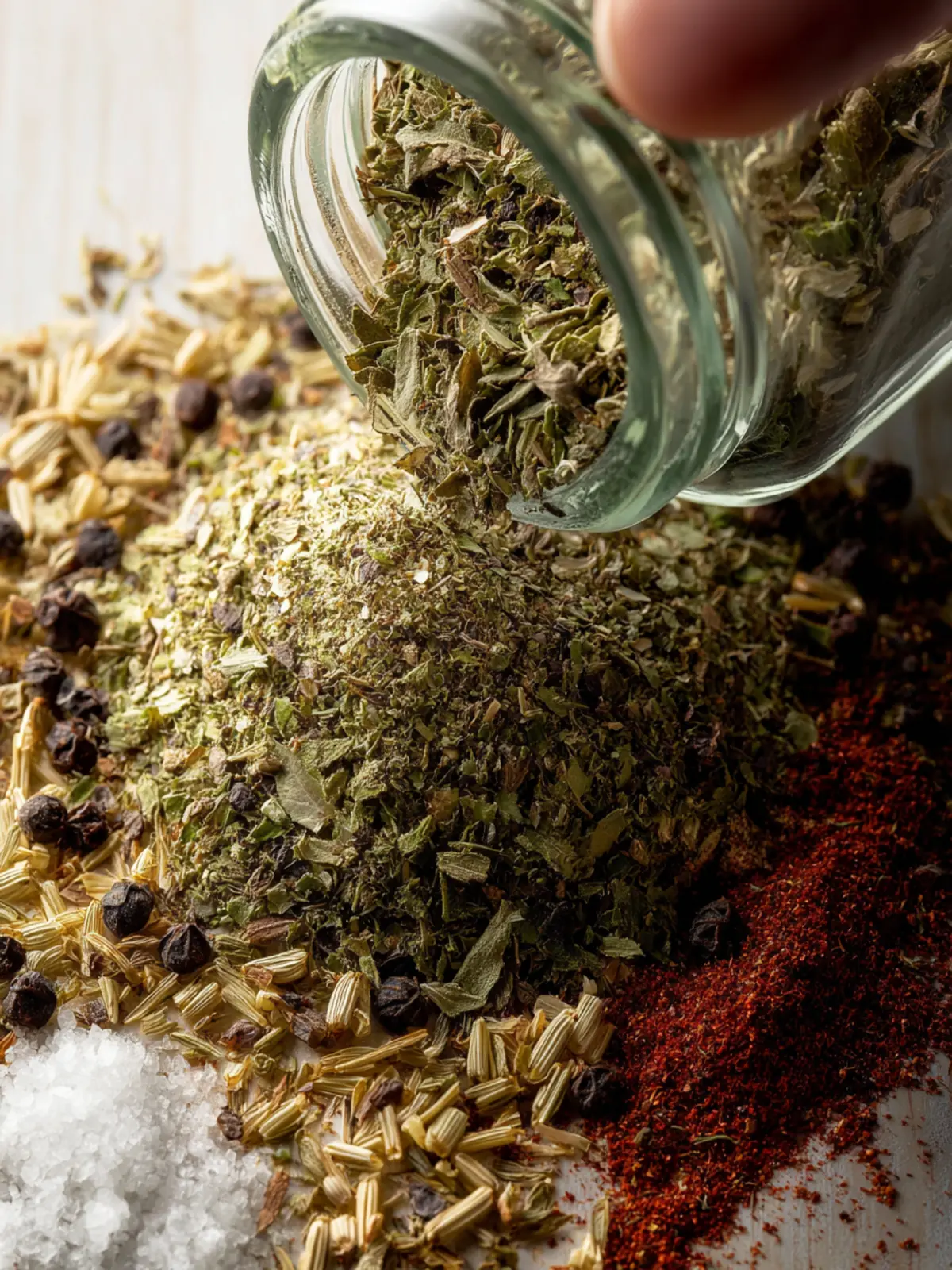
Feel free to incorporate other spices like crushed red pepper, garlic powder, or fennel seeds to reflect your taste. Just remember that going too heavy on any single herb can overshadow the rest, so add gradually. Enjoy the creative process and let your kitchen be your canvas!

Serving Suggestions for Homemade Italian Seasoning
Homemade Italian seasoning is a game-changer in any kitchen, effortlessly transporting your dishes straight to Italy with a sprinkle of aromatic herbs. Incorporating this blend into your meals can elevate your cooking from simple to spectacular.
Perfect pairings with pasta
Pasta is a blank canvas, waiting for flavors to shine. Add your homemade Italian seasoning to tomato sauces for a rich depth, or toss it into olive oil for a delightful dressing over fresh pasta. It also works wonders in creamy sauces and lasagnas, enhancing every bite with a burst of zest and aroma.
Excellent seasoning for meats
Transform your proteins with homemade Italian seasoning. Rub it on chicken, pork, or beef before grilling or roasting to impart a savory herbaceous flavor. Marinades benefit greatly from this blend, creating a juicy, flavorful crust that seals in moisture and taste.
Enhancing veggie dishes
Don’t overlook the potential of veggies! A sprinkle of homemade Italian seasoning can turn roasted vegetables or sautéed greens into a vibrant side dish. It brings out the natural sweetness of vegetables while adding just the right touch of warmth and spice. Enjoy your culinary creations!
Time Breakdown for Homemade Italian Seasoning
Creating your own homemade Italian seasoning is not only rewarding but also surprisingly quick. You don’t need to spend hours in the kitchen to craft a mix that enhances your dishes with authentic flavors. Let’s break down the time needed to get this delicious seasoning ready for use!
Preparation time
To gather and measure all your herbs and spices, expect to spend about 5 minutes. It’s just enough time to appreciate the distinct aromas of each ingredient.
Mixing time
Once everything is prepared, blending the herbs will take around 2 minutes. Simply toss them into a bowl and give them a good mix—easy, right?
Total time
In total, you’re looking at just 7 minutes from start to finish! This quick process means you’ll always have fresh homemade Italian seasoning on hand for your culinary adventures.
Nutritional Facts for Homemade Italian Seasoning
When it comes to creating your own homemade Italian seasoning, understanding the nutritional benefits adds an extra layer of value to this aromatic blend. Incorporating this seasoning into your meals can enhance flavors without piling on extra calories or unhealthy ingredients.
Serving Size
A standard serving size for homemade Italian seasoning is one tablespoon, making it easy to sprinkle into various dishes.
Calories per Tablespoon
One tablespoon typically contains around 5 calories. This means you can enjoy a burst of flavor without the guilt!
Key Nutrients
This flavorful blend is composed of dried herbs such as oregano, basil, thyme, and rosemary, which provide essential nutrients:
- Vitamins: Rich in vitamin K, particularly from basil and oregano, which are beneficial for bone health.
- Antioxidants: Many herbs are high in antioxidants that help combat oxidative stress and inflammation.
- Fiber: Contributes to digestive health when used in larger amounts.
By opting for your own homemade Italian seasoning, you’re making a delicious choice for health and flavor—perfect for revitalizing your meals!
FAQs about Homemade Italian Seasoning
Creating your own homemade Italian seasoning not only saves you money but also ensures that your meals are bursting with fresh flavors. As you dive into the world of herbal blends, you might find yourself with questions. Let’s clarify some common queries!
How long does homemade Italian seasoning last?
When stored properly, your homemade Italian seasoning can last for up to six months. To ensure maximum freshness, it’s best to check for potency every few months. Give it a sniff; if the aroma is weak, it might be time to make a new batch.
Can I use fresh herbs instead?
Of course! Fresh herbs can bring vibrant flavors to your dishes that dried herbs might not fully replicate. If you prefer using fresh herbs like basil, oregano, and thyme, just remember that they have a much shorter shelf life and won’t provide the same concentrated flavor as dried. You’ll want to use about three times the amount of fresh herbs compared to dried ones.
What are the best storage methods?
To keep your homemade Italian seasoning fresh, store it in a cool, dry place in an airtight container. Glass jars are ideal, as they help to keep moisture out and protect the herbs from light. If you want to keep the blend handy for daily use, consider a small spice jar or shaker.
With these tips, you’ll master the art of making and maintaining your homemade Italian seasoning, turning regular dishes into flavorful culinary experiences!
Conclusion on Homemade Italian Seasoning
Creating your own homemade Italian seasoning opens a world of flavor and customization in your cooking. Not only does it allow you to adjust the herbs and spices to match your taste, but it also brings a personal touch to your meals, connecting each dish to your culinary journey. With the blend of fragrant basil, savory oregano, zesty thyme, and aromatic garlic powder, you’ll elevate everyday recipes into something extraordinary. Experimenting with your own spice mix can lead to delightful discoveries and delicious family favorites. Why settle for store-bought when you can make something truly your own? Embrace the simplicity and flavor of homemade Italian seasoning today!
Print
Herb Mix
- Total Time: 10 minutes
- Yield: 1 jar 1x
- Diet: Vegetarian
Description
A flavorful mix of dried herbs perfect for seasoning.
Ingredients
Scale
- 2 tablespoons dried oregano
- 1 tablespoon dried marjoram
- 1 tablespoon dried basil
- 1 tablespoon dried thyme
- 2 teaspoons dried crushed rosemary
- 1 teaspoon dried sage
Instructions
- Set out a small bowl or jar. Measure and add all the dried herbs into the jar.
- Stir to mix. Cover and keep at room temperature.
Notes
- This herb mix can be used in various dishes for added flavor.
- Prep Time: 10 minutes
- Category: Condiment
- Method: Mixing
- Cuisine: Various
Nutrition
- Serving Size: 1 teaspoon