
Follow Me On Social Media!

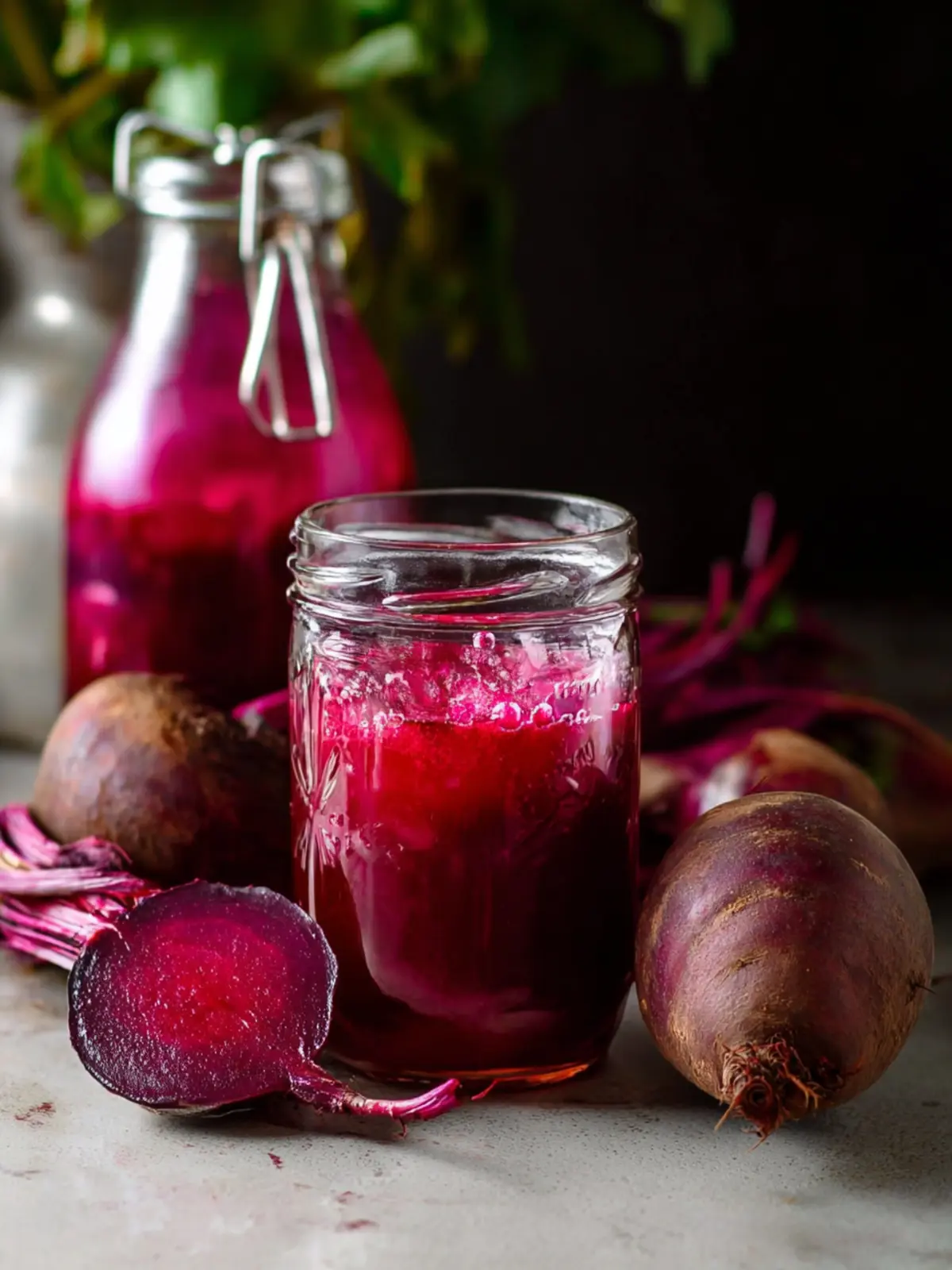
How to Make Beet Kvass: A Refreshing Twist for Wellness

Introduction to How to Make Beet Kvass
Beet kvass has a way of captivating your palate and promoting gut health all at once. This vibrant, earthy beverage traces its origins back to Eastern Europe, where it has been cherished for centuries. Imagine sipping on a tangy drink that not only refreshes but also packs a nutritious punch—this is what you get with beet kvass. I first stumbled upon this magical elixir during a trip to a quaint farmer’s market, and I was instantly hooked. The deep crimson hue and that distinct, slightly fermented aroma drew me in, and once I took a sip, I knew I had to learn how to make beet kvass at home.
What is beet kvass and why you need it in your kitchen?
Beet kvass is a fermented beverage made from beets, water, and a touch of salt. The process encourages the growth of good bacteria, making it a probiotic powerhouse; many proponents claim it aids digestion and boosts energy levels. But it’s not just a health trend; its unique flavor can add zest to your meals.
Incorporating beet kvass into your kitchen can elevate your culinary game. Here’s why:
- Nutritional Benefits: Beet kvass is loaded with vitamins and minerals like folate, potassium, and Vitamin C. Drinking it regularly may contribute to better liver function and improved cardiovascular health.
- Versatile Usage: Beyond just sipping it, you can use beet kvass as a base for dressings or marinades, blending it with olive oil, spices, and herbs for a delightful twist on ordinary flavors.
- Easy to Make: If you’ve ever thought of dabbling in fermentation, brewing beet kvass is a simple place to start. With minimal ingredients and an easy-to-follow method, you’ll feel accomplished in no time.
As we delve deeper into the recipe, you’ll discover that making your own beet kvass not only enriches your health but also brings a sense of creativity to your kitchen. So, are you ready to embark on this colorful fermentation journey? Let’s get started!
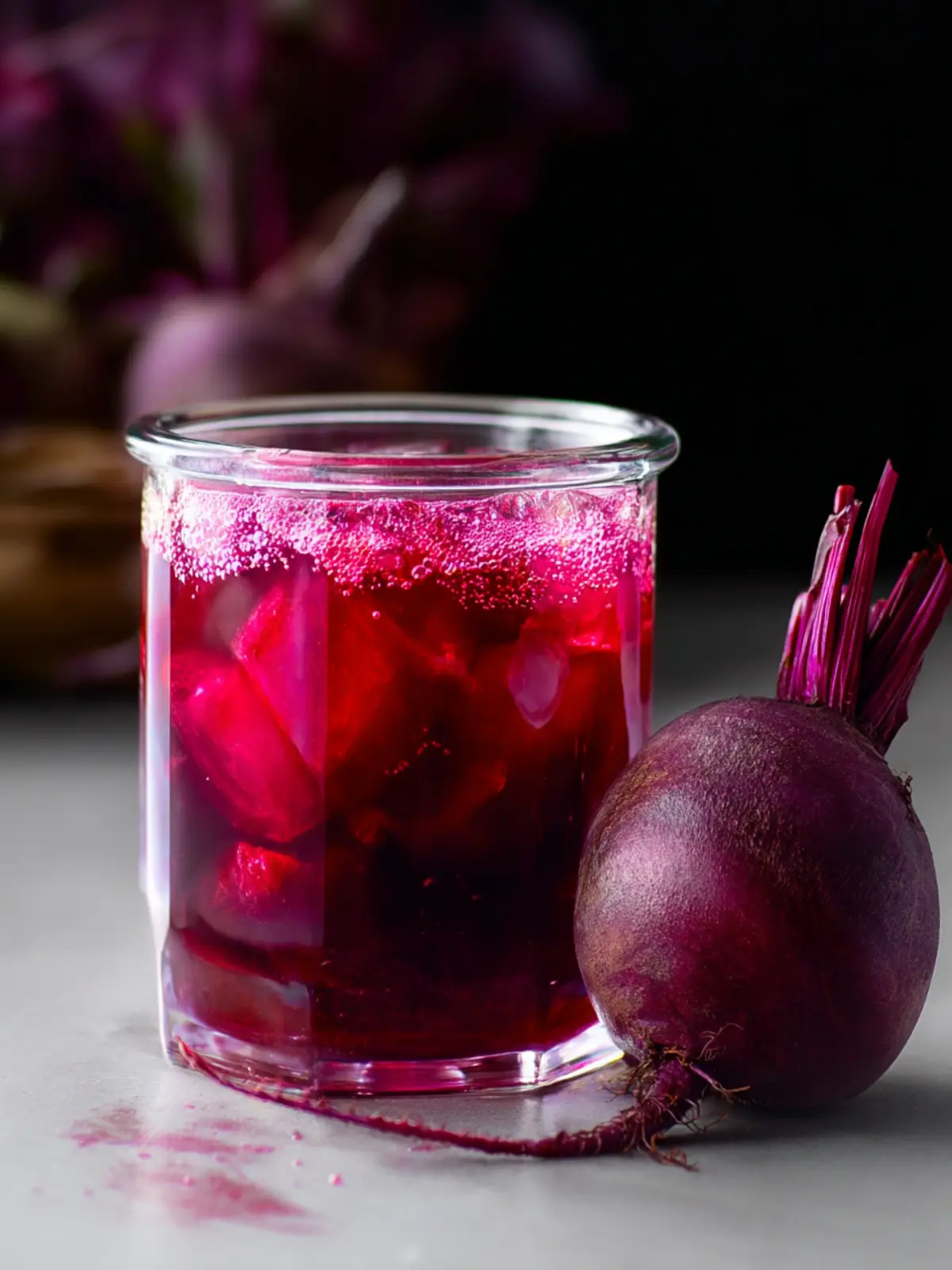
Key Ingredients for How to Make Beet Kvass
Creating your own beet kvass at home is an exciting way to embrace the refreshing tang and vibrant color of this fermented beverage. Let’s dive into the essential ingredients that will get you there!
-
Beets: Naturally, the star of the show! I recommend using fresh, organic beets for the best flavor and health benefits. Their earthy sweetness brings depth to the kvass, while also providing a beautiful ruby hue. If possible, go for small to medium-sized beets—these are often more tender and flavorful.
-
Water: Filtered water is crucial for a clean fermentation. Tap water can contain chemicals that might interfere with the fermentation process, so using filtered or spring water ensures your kvass ferments properly.
-
Salt: Sea salt is my go-to here. It encourages beneficial bacteria growth while adding a subtle flavor to the kvass. Avoid table salt, as the additives can inhibit fermentation.
-
Whey: This isn’t mandatory, but including some dairy or plant-based whey can kick-start the fermentation process, helping your kvass to develop that signature fizz and flavor more quickly.
These key ingredients lay the foundation for your beet kvass, inviting you into a world of vibrant flavors and health benefits!
Why You’ll Love This Beet Kvass
Health Benefits and Unique Flavor Profile
Beet kvass isn’t just a trendy drink; it’s a vibrant beverage brimming with health benefits. Made from simple ingredients, this fermented drink has been cherished for centuries, particularly in Eastern Europe. Rich in essential nutrients, beet kvass is a powerhouse for your gut health, aiding digestion and promoting a balanced microbiome. Each sip is packed with antioxidants, vitamins, and minerals that can help reduce blood pressure and boost stamina—perfect for those busy days.
What truly sets beet kvass apart is its unique flavor profile. Imagine a rich, earthy blend with a touch of sweetness and a tangy, effervescent finish from fermentation. Some describe it as slightly salty, reminiscent of a light pickle juice, making it an exciting alternative to your standard juice or soda. Plus, it can be enjoyed on its own or as a zesty addition to your favorite recipes. Want something different to sip on? This drink pairs well with salads or can be used as a base for dressings, adding a delightful twist.
With all these benefits and flavors at play, learning how to make beet kvass isn’t just a culinary experiment; it’s a delicious and nutritious adventure you won’t want to miss!
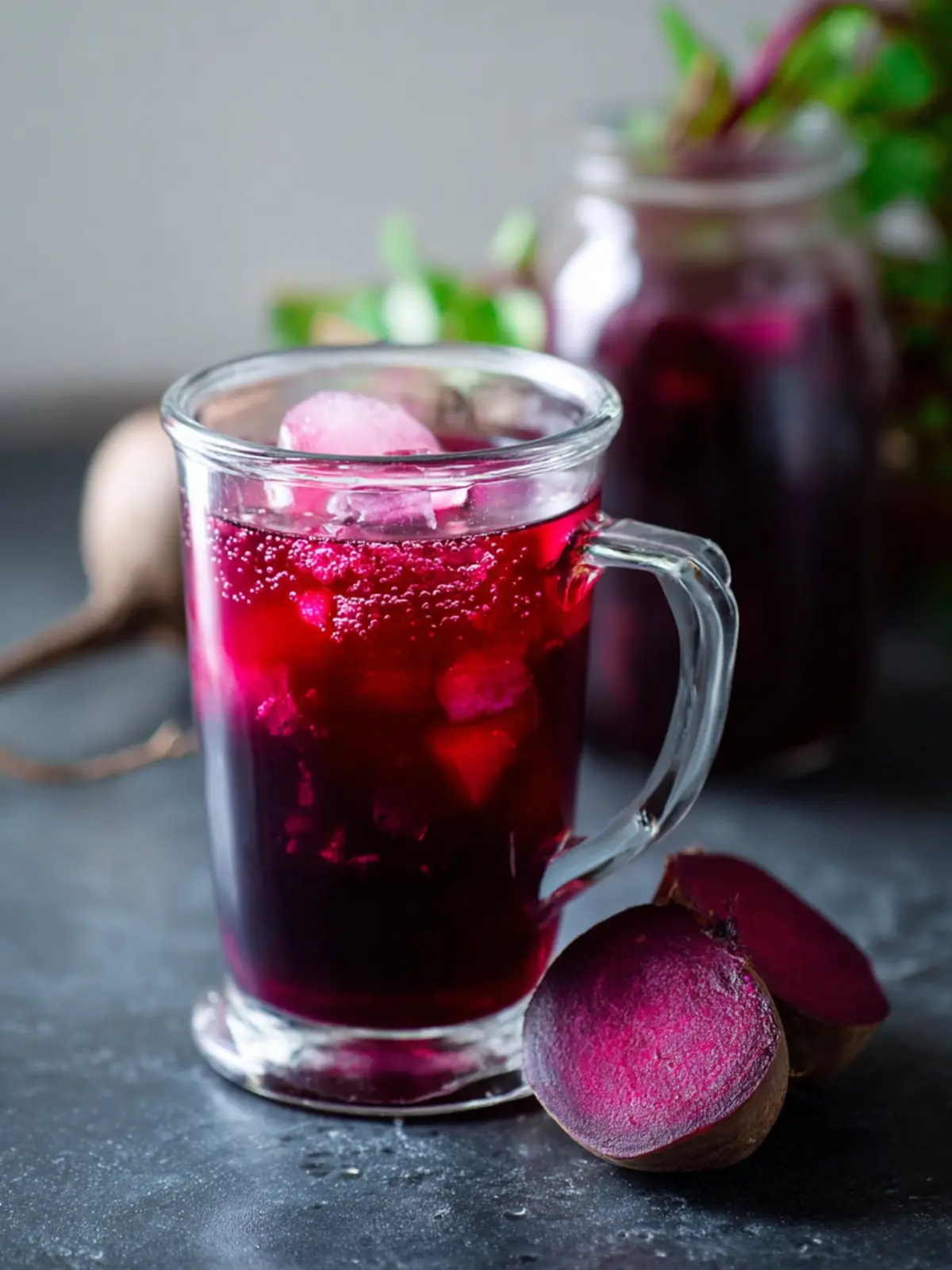
Tips for Making Perfect Beet Kvass
Creating your own beet kvass isn’t just a cooking project; it’s a delightful way to embrace healthy living and connect with traditional fermentation methods. Picture this: vibrant, earthy beets bubbling away, transforming into a tangy, probiotic-rich drink that’s not only delicious but also wonderfully nourishing. Ready to dive in? Here’s a detailed guide to ensure your beet kvass turns out perfectly every time.
Step-by-Step Advice for Optimal Fermentation
-
Choose Quality Beets: Start with fresh, organic beets. Their vibrant color directly influences the final taste and health benefits. Selecting beets with a sweet aroma ensures you get a balanced flavor.
-
Monitor Temperature: Aim for a fermentation temperature between 65°F and 75°F. If it’s too cold, fermentation may slow down; too hot, and you risk undesirable bacteria.
-
Use Non-Iodized Salt: Essential for optimal fermentation, non-iodized salt contributes to the lacto-fermentation process without inhibiting yeast activity. Sea salt or Himalayan salt works beautifully.
-
Don’t Rush: While you might be eager to sip your kvass, patience is key. Allow it to ferment for at least five days, tasting daily. You want a nice balance of sweetness and tang.
-
Reuse and Refresh: The beauty of fermentation is the ability to reuse the beet scraps for another batch or add more water to create a lighter version. Keeping the fermentation going can lead to exciting flavor variations!
With these tips, you’re on your way to mastering how to make beet kvass like a pro. Enjoy the process and the deliciously refreshing results!
Time Details for How to Make Beet Kvass
Crafting your own beet kvass is not only rewarding but also filled with delightful anticipation. It’s a journey that unfolds over a few days, with a vibrant end result that’s worth the wait!
Preparation time
Get started in just 15 minutes. Simply chop your beets, mix in the salt, and combine with water.
Fermentation time
Patience is key here—allow your beet kvass to ferment for 3 to 5 days. During this time, the flavors develop and the magic happens!
Total time
From prep to pouring yourself a glass, you’re looking at about 3 to 5 days in total, including fermentation. However, the actual hands-on time is a mere quarter of an hour, making this not just a delicious choice, but a practical one too!

Nutritional Information for Beet Kvass
Exploring how to make beet kvass not only leads you to a tangy, invigorating drink but also introduces you to its impressive nutritional profile. Packed with vibrant benefits, this traditional beverage can easily fit into your health-conscious lifestyle.
Calories
A 1-cup serving of beet kvass contains about 30 calories. This makes it a guilt-free option for those seeking a flavorful drink without extra calories.
Protein
Remarkably, beet kvass is low in protein, contributing less than 1 gram per serving. While it’s not a protein source, its probiotic qualities support digestion and nutrient absorption.
Sodium
With approximately 300 milligrams of sodium in each serving, beet kvass is a great option for replenishing your electrolytes after a workout or in hot weather, thanks to its naturally occurring salts.
Enjoying beet kvass means embracing wellness in a delicious way, so let’s dive into the specifics of how to make your own batch full of flavor and nutrients!
FAQs about Beet Kvass
Crafting your own beet kvass at home can feel like a delightful adventure, filled with questions about taste, shelf life, and customization. Let’s dive into some of the most frequently asked questions to help you get the most out of your beet kvass journey!
What does beet kvass taste like?
If you’re new to beet kvass, you might be curious about its flavor profile. Many describe it as a tangy, earthy drink with a hint of sweetness from the beets. The fermented nature adds a slightly sour note, reminiscent of other fermented beverages like kefir or kombucha. Depending on the fermentation time, the flavor can vary, allowing for a delightful range from mild and sweet to bold and tangy. You might find the addition of herbs or spices can enhance its unique taste, giving it an exciting twist.
How long does homemade beet kvass last?
One of the best parts about learning how to make beet kvass is knowing how to store it correctly. Refrigerated, your homemade beet kvass can last up to three weeks. However, it’s best enjoyed fresh within the first week for optimal flavor and probiotic benefits. Over time, as fermentation continues even in the fridge, the taste may evolve, which some may enjoy!
Can I use other ingredients in my kvass?
Absolutely! While beets are the star of the show, many home brewers get creative. Feel free to infuse your beet kvass with flavors from fruits like apples, herbs like dill, or even spices such as ginger or turmeric. Experimenting with flavors can help you create a personalized version that suits your taste buds perfectly. Just keep in mind to maintain a balance—too many ingredients can overpower the subtle earthiness of the beets!
Conclusion on How to Make Beet Kvass
Crafting your own beet kvass is not just about following a recipe; it’s about creating a vibrant, probiotic-rich drink that can elevate your wellness routine. By using fresh, organic beets, simple ingredients like water and salt, and allowing for the magic of fermentation, you’ll find yourself sipping a colorful beverage packed with flavor and health benefits.
After following the straightforward steps, you’ll have a nourishing drink ready to fuel your day. Don’t forget, experimenting with different flavors can keep your beet kvass experience exciting. So why not whip up this delightful elixir today and enjoy the journey of fermentation? Cheers to your health!
Print
Fermented Beet Kvass
- Total Time: 2 weeks
- Yield: 1 jar 1x
- Diet: Vegan
Description
A refreshing and nutrient-dense fermented beverage made with beets.
Ingredients
Scale
- 2 medium beets, organic (2 cups diced, with skin on)
- 3 cups filtered water
- 1 tablespoon fine sea salt
- ¼ cup whey (or fermented pickle brine or sauerkraut brine)
- 1 2-quart jar
Instructions
- Rinse and slice the beets into ¼-inch thick rounds, then dice them, leaving the skin on.
- Get a clean 2-quart mason jar. If adding any whole spices, add these to the jar first, then add garlic, onion, or dill if using. Add all the beets over the top. If adding whey, kraut brine or pickle brine, add this now.
- Mix 3 cups of water with 1 tablespoon of fine sea salt. Pour this into the jar, leaving at least 1-2 inches of headroom at the top. If you want to add more brine: the ratio is 1 heaping teaspoon of salt, per 1 cup of water. Mix it first, then add.
- Cover with a loose-fitting lid and place the jar in a bowl or baking dish to collect any overflow.
- Place the jar in a cool, dark place (60°F-70°F is ideal). Check every couple of days, removing seeds if needed.
- If you added whey or brine, check for signs of fermentation within 2-3 days. If not, it may take 1-2 weeks to bubble.
- Once happy with the flavor, refrigerate. (You can either strain or leave the beets in.) It will continue to ferment in the fridge, but at a slower rate.
- If you notice white foam on top, it is likely kahm yeast and harmless. Skim it off. Discard if you see mold.
Notes
- The longer it ferments, the more tangy it becomes.
- Ensure any brine used is fermented and made with salt only, no vinegar.
- The sugar from the beets will continue to feed the healthy bacteria while fermenting.
- Prep Time: 15 minutes
- Category: Beverages
- Method: Fermentation
- Cuisine: Eastern European
Nutrition
- Serving Size: 1 cup
- Calories: 50
- Sugar: 8g
- Sodium: 500mg
- Fat: 0g
- Saturated Fat: 0g
- Unsaturated Fat: 0g
- Trans Fat: 0g
- Carbohydrates: 12g
- Fiber: 2g
- Protein: 2g
- Cholesterol: 0mg