Follow Me On Social Media!

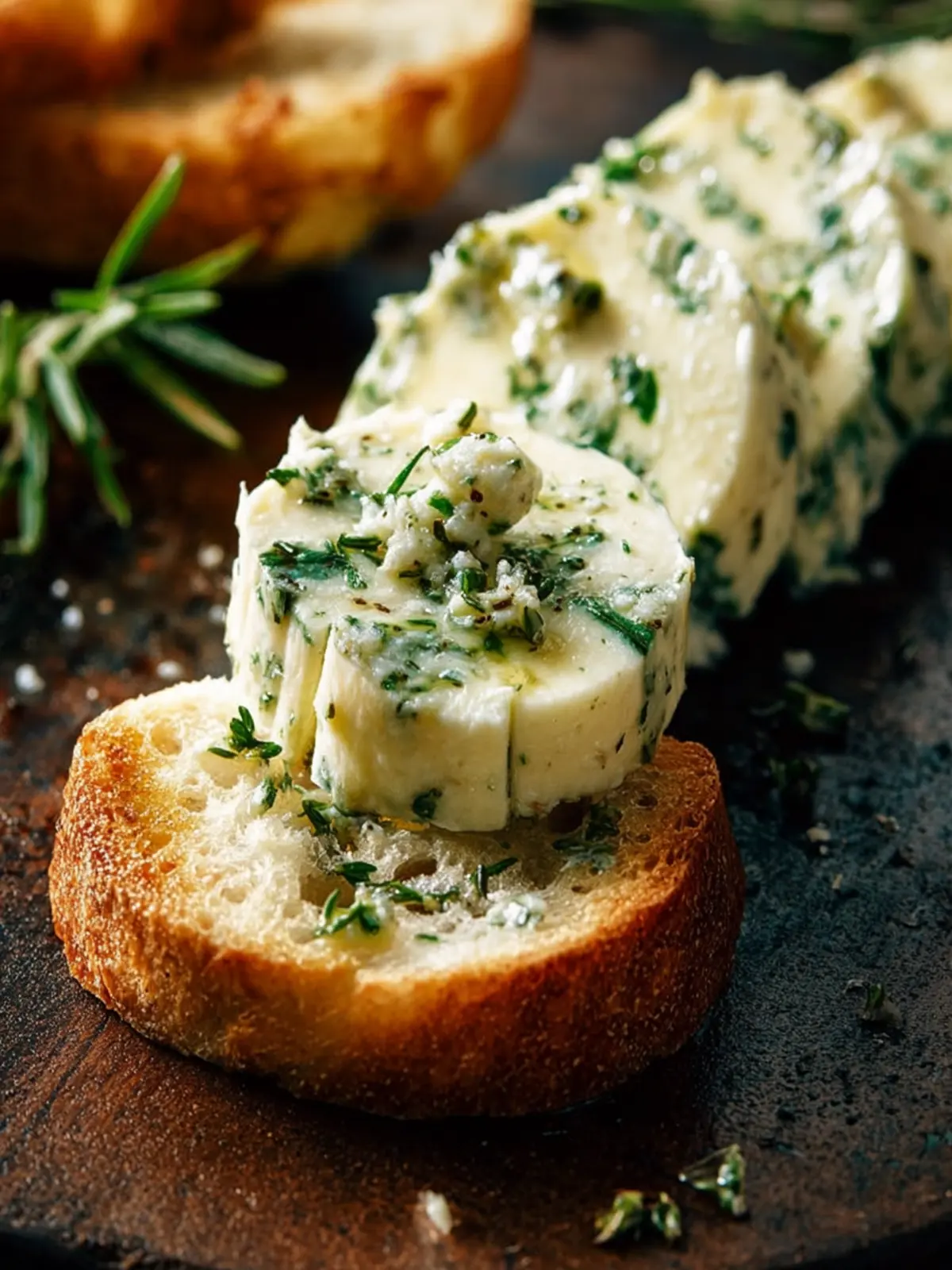
How to Make Compound Butter: The Best Boost for Your Dishes

Introduction to How to Make Compound Butter
Imagine walking into your kitchen, the rich aroma of freshly baked bread wafting through the air, and the anticipation of slathering on a decadent, flavored butter that will elevate your meal from ordinary to extraordinary. This delightful experience centers around the art of how to make compound butter, a simple yet transformative culinary skill that will impress your friends and family.
Compound butter is essentially softened butter blended with various ingredients to create unique flavors. You might wonder why you should embark on this flavorful journey. For starters, making compound butter is not just easy; it’s highly creative and versatile. Whether you’re in the mood for something savory to accompany a juicy steak or something sweet for spreading on breakfast pastries, the possibilities are endless. Plus, it’s a fantastic way to utilize leftover herbs, spices, or even citrus peels!
What is compound butter and why should I make it?
Compound butter consists of softened butter mixed with flavorful add-ins such as herbs, spices, garlic, citrus zest, or other ingredients that align with your palate. Not only is it the perfect kitchen companion, but it can also be the highlight of your meals.
Here are a few reasons to try your hand at how to make compound butter:
-
Flavor Boost: Why settle for plain butter when you can enhance your dishes? A compound butter can transform simple toast or grilled vegetables with just a pat.
-
Customization Galore: Do you have a favorite herb? Use it! Want to spice things up? Add some chili flakes! Making compound butter allows you to tailor flavors according to your taste or the season.
-
Make Ahead Convenience: Creating a batch of compound butter and refrigerating or freezing it means you can elevate your meals with just a slice—no fuss, no hassle.
In essence, once you learn how to make compound butter, you’re not just making a condiment; you’re adding layers of flavor and personal touch to your cooking. Ready to get started? Let’s dive into the delightful world of compound butter!
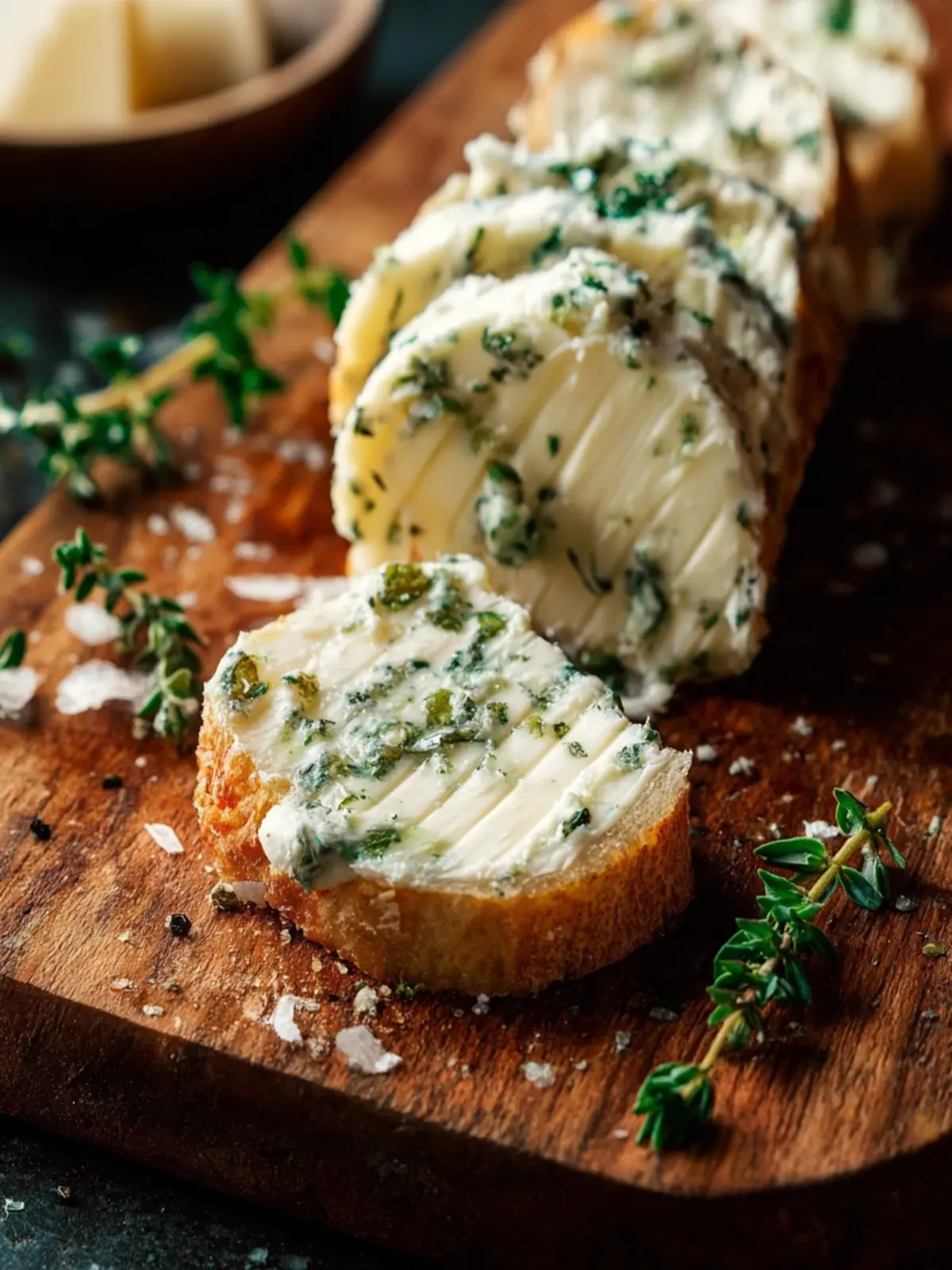
Key Ingredients for How to Make Compound Butter
Creating compound butter is a delicious way to elevate your dishes, and it starts with the right ingredients. Here’s a breakdown of what you’ll need:
Butter
A good-quality unsalted butter is at the heart of compound butter. I recommend using butter that’s softened, making it easy to blend with your flavoring agents. Unsalted is best, as it allows you to control the saltiness of your final product.
Fresh Herbs
Fresh herbs, such as chives, basil, or thyme, add vibrant flavors that awaken your taste buds. I often chop them roughly before incorporating them into the butter, ensuring the potent aroma shines through in every bite.
Garlic or Shallots
Fresh garlic or shallots can infuse your compound butter with a punch of flavor. I usually mince them finely, allowing their essence to spread evenly throughout the butter.
Lemon Zest
A hint of lemon zest brightens up the richness of the butter. The zest adds a refreshing brightness that balances the creaminess perfectly.
Salt and Pepper
Adding a pinch of salt and freshly cracked pepper enhances all the flavors in your compound butter. Don’t skip these essentials—they can make a world of difference!
Now that you’re equipped with the key ingredients, you’re ready to master how to make compound butter in your kitchen. Happy cooking!
Why You’ll Love This Recipe
Flavor Explosion
Learning how to make compound butter is a game changer for your culinary adventures. Imagine the sensation of high-quality, creamy butter infused with herbs, spices, and other delectable flavors melting on your favorite bread or seared steak. It’s the essential finishing touch that elevates even the simplest of dishes. Whether you’re a fan of garlic and herb combinations or prefer the zesty kick of citrus, you can mix and match ingredients to create a flavor bomb that perfectly aligns with your taste buds. The best part? You can store it in the fridge or freezer and have a burst of gourmet flavor ready to go at a moment’s notice.
Versatility for Every Dish
The beauty of compound butter lies in its incredible versatility. Mastering how to make compound butter opens the door to countless possibilities in the kitchen. Use it to flavor vegetables or whisk it into sauces for a silky richness that turns everyday meals into something special. It’s perfect for spreading on warm rolls, finishing grilled meats, or even swirling into pasta dishes. You can also use it in baking to add a unique twist to your cookies or cakes. It’s truly a multi-tasker that can adapt to any cuisine or occasion, ensuring you’ll never face a bland meal again. So, the next time you’re looking to impress at dinner, remember that this simple yet elegant trick can elevate your cooking game like nothing else!
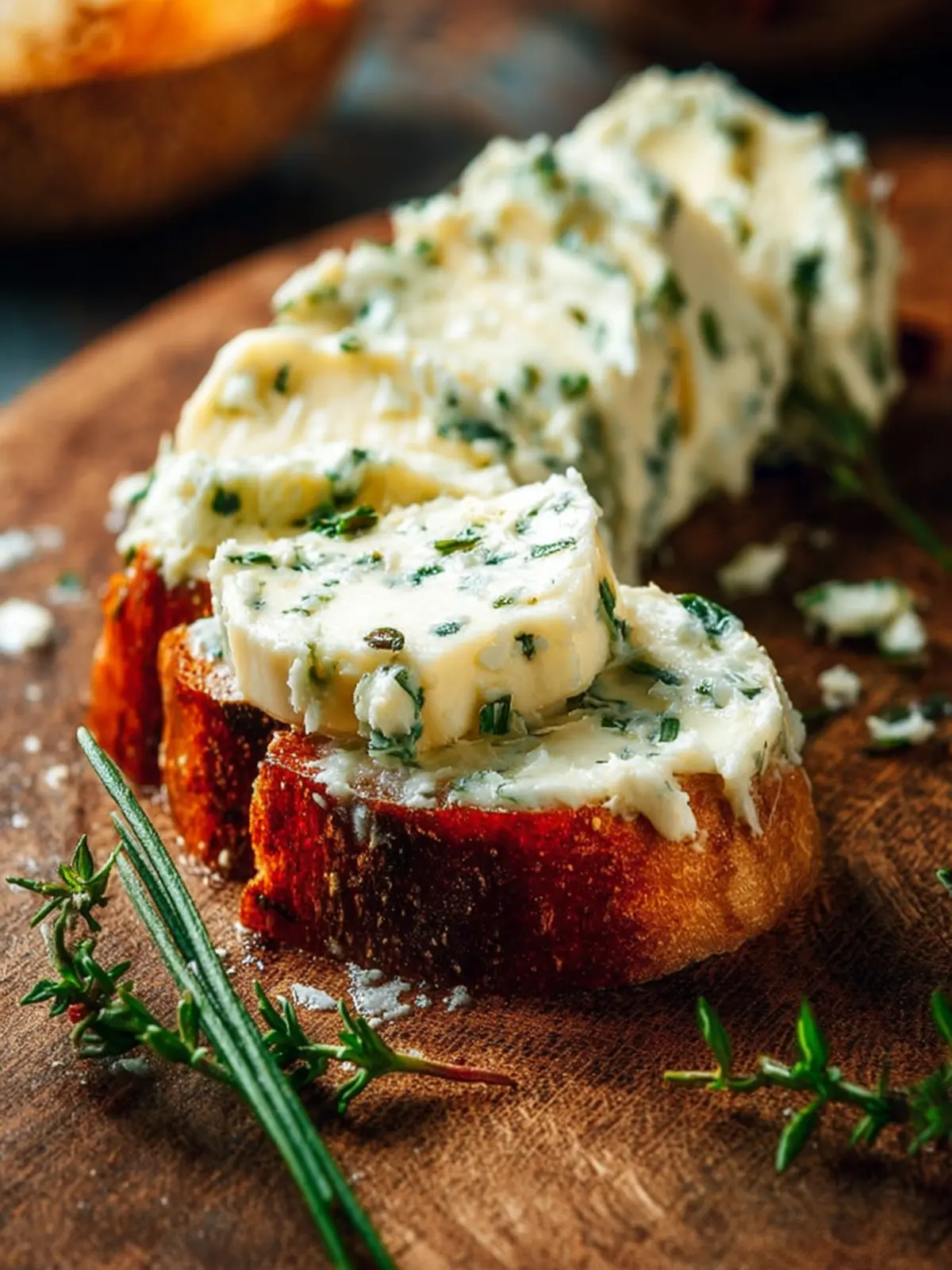
Variations
Creating your own compound butter opens up a world of flavor possibilities. Once you master the basics, experimenting with different ingredients can truly transform your culinary experience.
Different Herbs to Try
When thinking about how to make compound butter, herbs are often the star of the show. Fresh herbs bring vibrant flavors that can elevate your butter from ordinary to extraordinary.
- Chives: Their mild onion flavor is perfect for a buttery spread on baked potatoes or as a topping for grilled fish.
- Basil: Combining basil with a hint of garlic creates a delightful addition to pasta or grilled vegetables.
- Rosemary and Thyme: These heartier herbs are great for pairing with meats. A rosemary-infused butter can work wonders on a steak, while thyme adds depth to roasted root vegetables.
- Parsley: When mixed with lemon zest, parsley makes for a refreshing addition that’s perfect for seafood dishes.
Infusing with Spices
Spices can add unexpected warmth and complexity to your compound butter. Why not give these a shot?
- Smoked Paprika: This adds a comforting, smoky flavor that works beautifully in a butter for corn on the cob or as a finishing touch on roasted meats.
- Cinnamon and Nutmeg: Mixing these spices in an autumn-inspired compound butter can pair beautifully with sweet potatoes or even pancakes.
- Chili Flakes or Hot Sauce: If you enjoy a little heat, incorporating these can offer a spicy kick that’s perfect when slathered on cornbread or used with grilled sausages.
With these variations, you’re now equipped to tailor your compound butter to fit any dish or occasion. Enjoy the flavorful journey!
Cooking Tips and Notes
When venturing into the delightful world of how to make compound butter, mastering a few key techniques can enhance your culinary experience. The magic of compound butter lies not only in its flavors but also in its texture and storage.
How to Achieve the Perfect Texture
To create the ideal consistency, ensure that your butter is at room temperature before mixing. Softened butter is pliable and will easily absorb the flavors of your chosen herbs or spices. You may also consider using a stand mixer or food processor for an even blend. When adding mix-ins like garlic or citrus zest, start with small amounts and taste as you go, allowing your creativity to shine in customizing your butter.
Storing and Freezing Tips
Knowing how to make compound butter is just the beginning; proper storage can extend its shelf life significantly. Wrap your finished butter tightly in plastic wrap or parchment paper, shaping it into a log. This method not only preserves its flavor but also makes slicing easier. If you plan to store it for longer periods, consider freezing it in portions. Be sure to label with the date and flavor for easy identification. Frozen compound butter can last for several months, making it a handy addition to any meal!
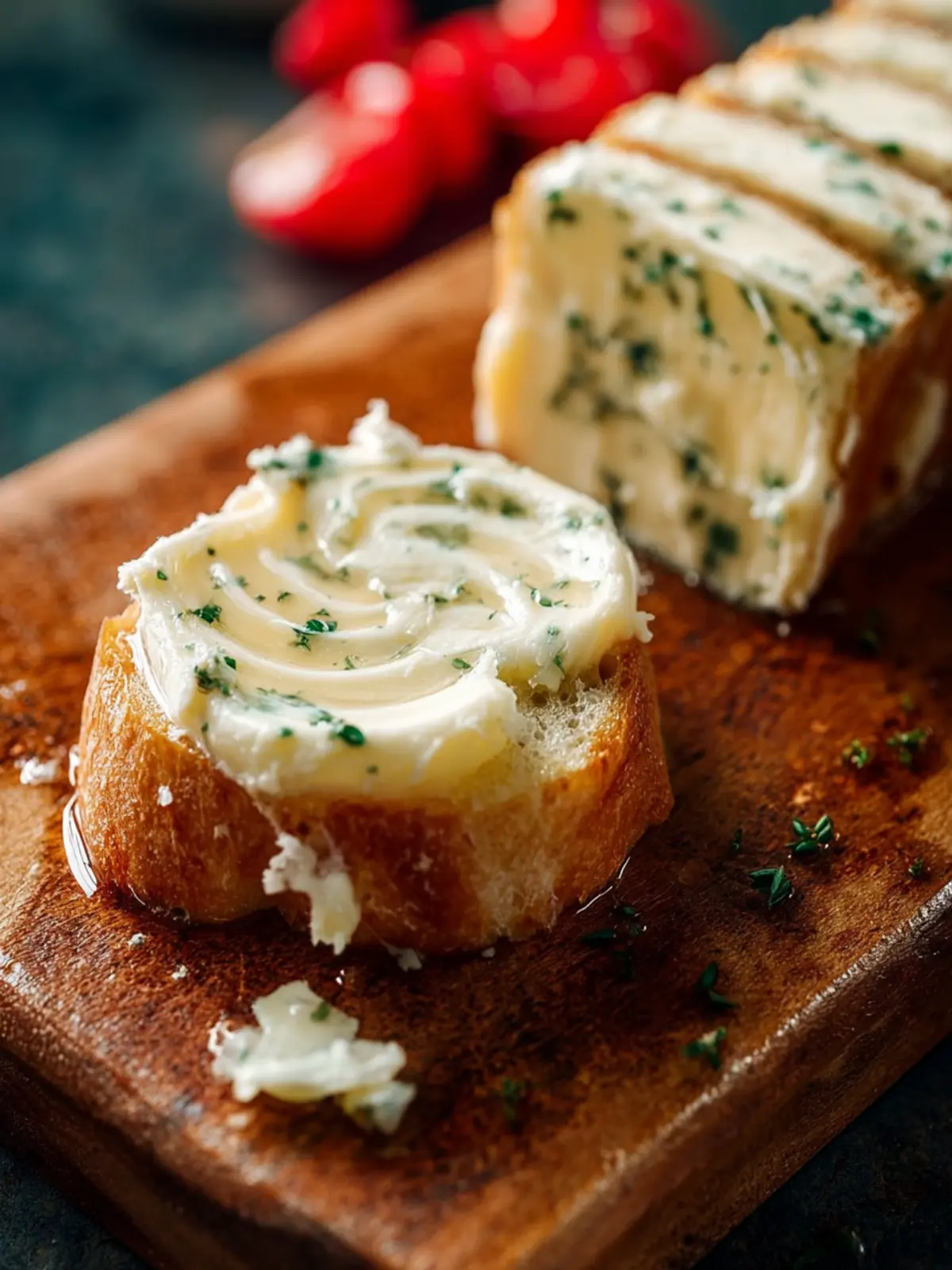
Serving Suggestions
When you learn how to make compound butter, you unlock a world of culinary possibilities that elevate even the simplest of meals. Imagine the delight of spreading your homemade compound butter on warm, crusty bread—it’s a small act that transforms any gathering into a gourmet experience.
Spreading on Bread
There’s something magical about freshly baked bread. Slathering it with a dollop of your favorite compound butter—perhaps one infused with fresh herbs or zesty citrus—invites a touch of elegance. Try using:
- Artisan baguette: The crusty exterior is perfect for holding that rich, flavored butter.
- Dinner rolls: Warm, fluffy rolls paired with herb-infused butter create the ideal comfort food.
- Sourdough toast: Top it off with garlic-chive butter for a delicious breakfast treat.
Each bite is an indulgence that makes any meal feel special.
Pairing with Meats and Vegetables
Once you’ve mastered how to make compound butter, putting it to work alongside meats and veggies is a must. It can transform ordinary dishes into something extraordinary. Consider these ideas:
- Grilled chicken or fish: A dollop of lemon-dill butter melts into savory goodness.
- Steaks: Herb or blue cheese butter takes a juicy steak to a whole new level of flavor.
- Roasted vegetables: Toss veggies with garlic butter before roasting for an irresistible side.
With every use, compound butter adds depth and character, making you feel like a culinary pro.
Time Breakdown
Understanding the timing involved in how to make compound butter can make all the difference in achieving the perfect blend of flavors. Here’s how your time will break down:
Preparation time
Getting everything ready takes about 15–20 minutes. This includes gathering your ingredients and mixing in herbs or spices of your choice.
Chilling time
Once your butter is shaped, it will need to set in the fridge for at least 1 hour. This step is crucial for achieving a firm texture.
Total time
In just about 1 hour and 20 minutes, you’ll have delicious compound butter prepped and ready to enhance your meals. That’s not too long for a gourmet touch, right?
Nutritional Facts
Understanding the nutritional profile is key to how to make compound butter a delightful addition to your meals without guilt. Here’s a quick breakdown of what to expect:
Calories
A tablespoon of compound butter typically contains around 100 calories. This makes it a rich, flavor-enhancing option, so use it sparingly to enjoy its benefits without excess.
Fats and Protein Content
- Fats: With approximately 11 grams of fat per tablespoon, compound butter is primarily made up of healthy fats, which can aid in nutrient absorption.
- Protein: Compound butter has minimal protein content, roughly 0.1 grams per tablespoon, mainly because its base is butter. But the flavors mixed into the butter can elevate your protein dishes when paired correctly.
Enjoy your culinary adventure in how to make compound butter, and remember that balance is key!
FAQ about How to Make Compound Butter
Crafting your own compound butter can feel like a culinary adventure, and many newcomers often have questions along the way. Let’s demystify some common concerns to help you master this simple yet flavorful addition to your meals.
Can I use salted butter?
Absolutely! Using salted butter is perfectly fine for making compound butter. In fact, many people prefer the slight seasoning it adds. Just keep in mind that if you choose salted butter, you might want to adjust or omit any additional salt in your compound butter mix. If you’re aiming for a more delicate flavor profile, unsalted butter works wonderfully too.
How long does compound butter last?
When stored properly, compound butter can last in your refrigerator for about 1 to 2 weeks. To prolong its shelf life, consider freezing it. Wrapped tightly in plastic wrap or placed in an airtight container, it can stay fresh for up to 3 months in the freezer. When you want to use it, simply cut off a slice and let it thaw as needed. It’s a convenient way to have gourmet flavors on hand for any dish.
What dishes can I use compound butter in?
The versatility of compound butter is one of its greatest assets! You can spread it on warm bread, use it to enhance the flavor of grilled vegetables, or melt it over steaks for a decadent finish. It’s also fantastic on seafood, pasta, or even popcorn. The possibilities are endless, giving your everyday meals a gourmet twist without much effort.
By addressing these questions, you’ll be well on your way to becoming a compound butter aficionado!
Conclusion on How to Make Compound Butter
Recap of its Ease and Versatility
Making compound butter is as simple as it gets, and that’s what makes it so exciting. Just blend your favorite herbs, spices, or even sweet ingredients with softened butter, and you’re ready to elevate everything from grilled meats to fresh vegetables. Whether it’s a garlic herb blend for that perfect steak, or a sweet honey cinnamon version for pancakes, the possibilities are endless. Plus, once you learn how to make compound butter, you’ll impress your friends and family without breaking a sweat. So, why not give it a try? You’ll discover how easy it is to create a gourmet touch at home!
Print
Herb Butter
- Total Time: 15 minutes
- Yield: 1 cup 1x
- Diet: Vegetarian
Description
This herb butter is perfect for spreading on bread or using in pasta dishes.
Ingredients
Scale
- 1 stick (1/2 cup) unsalted butter
- 2 tablespoons finely chopped chives
- 1 tablespoon finely chopped fresh thyme
- 1/8 teaspoon garlic powder
- Scant 1/2 teaspoon kosher salt
- 4 grinds black pepper
Instructions
- Soften the butter: cut the butter in half lengthwise, then into about 12 pieces total. Let the butter sit at room temperature about 15 minutes until softened. Or, microwave on low power for a few 5 second bursts until it softens, checking after each burst and taking care not to overheat.
- Place the butter in a bowl. Add the chopped chives, thyme, garlic powder, salt and pepper. Smash and stir into the butter until it’s fully combined.
- Use immediately, or if desired, place the butter on a piece of plastic wrap or parchment paper and use the wrap to roll it into a log. Twist the ends closed and refrigerate until it’s solid enough to cut (or until serving; you can freeze it for a few minutes to speed up the process).
- The flavor is great right away, and gets even better after refrigeration. Use for spreading on bread, making garlic bread, pasta, seafood, steak, potatoes, and more.
- Stores up to 1 month refrigerated or 3 months frozen.
Notes
- This butter can be customized with other herbs or seasonings based on preference.
- Ensure the butter is not melted during the softening process.
- Prep Time: 15 minutes
- Category: Condiments
- Method: Mixing
- Cuisine: American
Nutrition
- Serving Size: 1 tablespoon
- Calories: 100
- Sugar: 0
- Sodium: 80
- Fat: 11
- Saturated Fat: 7
- Unsaturated Fat: 4
- Trans Fat: 0
- Carbohydrates: 0
- Fiber: 0
- Protein: 0
- Cholesterol: 30